

Blog
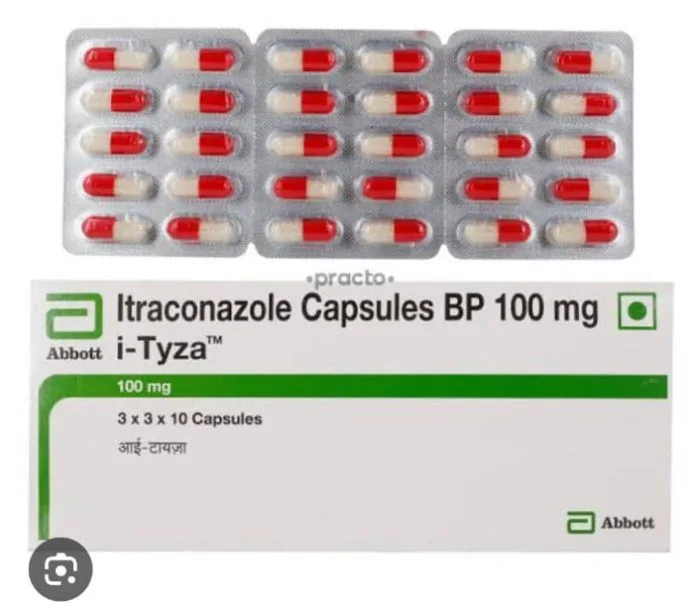
Itraconazole 100 mg: Uses, Benefits, Dosage, Side Effects, and Important Information
- Published on : December 16, 2025
Fungal infections are common and can affect different parts of the body, including the skin, lungs, nails, and internal organs. When these infections become persistent or severe, antifungal medications are often required. One such widely prescribed antifungal medicine is Itraconazole 100 mg. This medication has been used for many years and is considered effective against a broad range of fungal infections.
In this blog, we will explore what Itraconazole 100 mg is, how it works, its uses, dosage guidelines, possible side effects, precautions, and frequently asked questions. This information is meant for educational purposes and should not replace professional medical advice.
What Is Itraconazole 100 mg?
Itraconazole 100 mg is an antifungal medication that belongs to a group of drugs known as triazole antifungals. It is used to treat various fungal infections caused by yeasts and molds. The medicine works by stopping the growth of fungi, helping the body’s immune system clear the infection more effectively.
Itraconazole is available in different forms, such as capsules, oral solutions, and sometimes injections. The 100 mg capsule is one of the most commonly prescribed strengths.
How Does Itraconazole Work?
Fungi require a substance called ergosterol to build and maintain their cell membranes. Itraconazole works by interfering with the production of ergosterol. Without enough ergosterol, the fungal cell membrane becomes weak and damaged, leading to the death or inhibited growth of the fungus.
Because of this targeted mechanism, Itraconazole is effective against many fungal species while having minimal impact on human cells when used correctly.
Uses of Itraconazole 100 mg
Itraconazole 100 mg is prescribed for a variety of fungal infections, including:
1. Skin and Nail Infections
- Ringworm (tinea corporis)
- Athlete’s foot (tinea pedis)
- Fungal nail infections (onychomycosis)
- Fungal infections of the groin area
2. Yeast Infections
- Oral thrush
- Vaginal yeast infections (in some cases)
3. Lung and Systemic Fungal Infections
- Aspergillosis
- Histoplasmosis
- Blastomycosis
- Other deep or systemic fungal infections
The duration of treatment depends on the type and severity of the infection. Nail and systemic infections usually require longer treatment compared to skin infections.
Dosage and Administration
The dosage of Itraconazole 100 mg varies depending on the condition being treated, the patient’s age, and overall health.
General Dosage Guidelines
- Skin infections: Often 100–200 mg per day for 1–4 weeks
- Nail infections: May require treatment for several weeks or months
- Systemic infections: Higher doses and longer treatment periods may be needed
Itraconazole capsules are usually taken after a full meal to improve absorption. It is important to take the medicine exactly as prescribed by a healthcare provider and not stop treatment early, even if symptoms improve.
Possible Side Effects
Like all medications, Itraconazole 100 mg can cause side effects, although not everyone experiences them.
Common Side Effects
- Nausea or vomiting
- Stomach pain
- Diarrhea
- Headache
- Dizziness
Less Common but Serious Side Effects
- Liver problems (yellowing of skin or eyes, dark urine)
- Irregular heartbeat
- Shortness of breath
- Severe allergic reactions
If any severe or unusual symptoms occur, medical attention should be sought immediately.
Precautions and Warnings
Before taking Itraconazole 100 mg, it is important to inform your doctor about your medical history.
Important Precautions
- Liver disease: Itraconazole can affect liver function, so monitoring may be required.
- Heart conditions: It may worsen certain heart problems.
- Pregnancy and breastfeeding: Use only if clearly advised by a doctor.
- Drug interactions: Itraconazole can interact with several medications, including certain heart medicines, sedatives, and cholesterol-lowering drugs.
Never self-medicate or share this medicine with others, even if they have similar symptoms.
Benefits of Itraconazole 100 mg
- Broad-spectrum antifungal activity
- Effective for both superficial and systemic infections
- Convenient oral dosing
- Proven track record in clinical use
When used responsibly, Itraconazole can significantly improve quality of life by clearing stubborn fungal infections.
Storage Instructions
- Store at room temperature
- Keep away from moisture and direct sunlight
- Keep out of reach of children
- Do not use after the expiration date
Frequently Asked Questions (FAQs)
1. How long does Itraconazole 100 mg take to work?
Improvement may be seen within a few days for skin infections, but nail and systemic infections may take weeks or months to fully resolve.
2. Can I stop taking Itraconazole once symptoms improve?
No. Stopping early can cause the infection to return. Always complete the full course prescribed by your doctor.
3. Is Itraconazole 100 mg safe for long-term use?
Long-term use may be required for certain infections, but it should be done under medical supervision with regular monitoring.
4. Can I drink alcohol while taking Itraconazole?
Alcohol can increase the risk of liver problems. It is best to avoid or limit alcohol during treatment.
5. Does Itraconazole treat bacterial infections?
No. Itraconazole is only effective against fungal infections, not bacterial or viral infections.
6. What should I do if I miss a dose?
Take the missed dose as soon as you remember. If it is close to the next dose, skip the missed one. Do not double the dose.
Conclusion
Itraconazole 100 mg is a reliable and effective antifungal medication used to treat a wide range of fungal infections. When taken correctly under medical guidance, it can help eliminate infections that may otherwise persist or worsen. Understanding its uses, dosage, and precautions ensures safer and more effective treatment.
Always consult a qualified healthcare professional before starting or stopping any medication. Responsible use is key to achieving the best results and maintaining long-term health.
Table of Contents
Product categories
- AMOXICILLIN
- AZITHROMYCIN
- Cancer
- Cephalexin
- Ciprofloxacin
- CLENBUTEROL
- Colchicine
- Doxycycline
- Erectile Dysfunction
- FENBENDAZOLE & MEBENDAZONE
- Fluconazole
- Fluvoxamine
- Gabapentin
- General
- Generic Paxlovid
- Hdroxychloroquine
- Hormonal
- Infection
- Inhaler & Respules
- Ivermectin
- Low And High Dose Naltrexone
- Metronidazole
- OLANZAPINE & MIRTAZAPINE
- Other
- Pirfenidone
- PREDNISONE
- Psychiatric Medicine
- Skin Care
- Testosterone
- Thyroid
- Viral Care
- VITAMIN B12 & VITAMIN D3
- Weight Loss & Diabetic