
Blog
Gabapentin 400 mg: Uses, Dosage, Side Effects, and FAQs
- Published on : December 16, 2025
Gabapentin is a prescription medication commonly used to manage nerve-related pain, seizures, and certain neurological disorders. Among the various strengths available, Gabapentin 400 mg is frequently prescribed by healthcare professionals due to its effectiveness and ease of dosage management. In this blog, we will provide a comprehensive guide to Gabapentin 400 mg, including its uses, dosage guidelines, side effects, precautions, and frequently asked questions.
What is Gabapentin 400 mg?
Gabapentin belongs to a class of drugs known as anticonvulsants or anti-epileptic medications. It is primarily used to treat neuropathic pain, which is pain caused by nerve damage, as well as seizure disorders. Gabapentin works by affecting the way nerves send messages to the brain, which helps reduce pain signals and stabilize nerve activity.
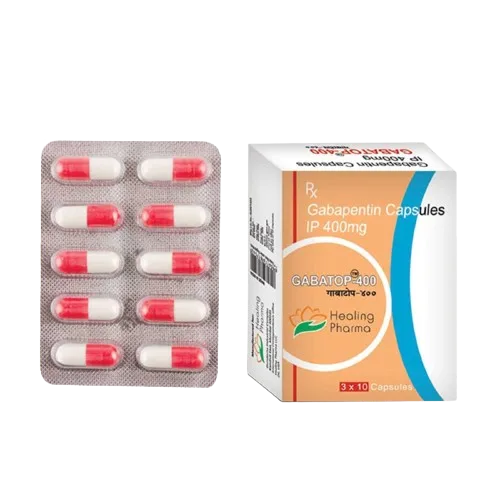
Gabapentin 400 mg is available in capsule and tablet form and is typically taken orally. Depending on the condition being treated, doctors may adjust the dosage to optimize results while minimizing side effects.
Common Uses of Gabapentin 400 mg
- Neuropathic Pain: Gabapentin is highly effective for nerve-related pain caused by conditions such as diabetic neuropathy, postherpetic neuralgia (pain following shingles), and peripheral neuropathy. Patients often report a significant reduction in burning, stabbing, or tingling sensations after consistent use.
- Seizure Control: Gabapentin is used as an adjunct therapy for partial seizures in adults and children. It does not cure epilepsy but helps reduce the frequency and severity of seizures.
- Restless Legs Syndrome (RLS): Some patients experience relief from RLS symptoms, which are characterized by uncomfortable sensations in the legs, often worsening at night.
- Anxiety Disorders: Although not its primary indication, some doctors prescribe Gabapentin off-label to manage generalized anxiety disorder (GAD) or social anxiety, as it can have a calming effect on overactive nerve signaling.
How to Take Gabapentin 400 mg
Gabapentin should be taken exactly as prescribed by a healthcare professional. Here are some general guidelines:
- Timing: Gabapentin can be taken with or without food. For best results, take it at the same times every day to maintain consistent levels in the body.
- Dosage Adjustment: Doctors often start with a lower dose and gradually increase it to 400 mg or higher, depending on patient response and tolerance. Sudden changes in dose can cause side effects or withdrawal symptoms.
- Missed Dose: If a dose is missed, take it as soon as possible. If it is near the time for the next dose, skip the missed dose—do not double up.
- Discontinuation: Gabapentin should never be stopped abruptly, especially if used for seizures. Gradual tapering is necessary under medical supervision to prevent withdrawal symptoms.
Side Effects of Gabapentin 400 mg
Like all medications, Gabapentin may cause side effects. Most are mild and temporary, but some may require medical attention. Common side effects include:
- Dizziness or lightheadedness
- Drowsiness or fatigue
- Swelling of the hands, feet, or ankles (edema)
- Tremors or unsteady movements
- Nausea or vomiting
- Blurred vision or double vision
Serious side effects (seek medical help immediately):
- Severe allergic reactions (rash, itching, swelling)
- Mood changes such as depression or suicidal thoughts
- Unusual bruising or bleeding
- Severe dizziness or difficulty speaking
It’s important to report any concerning symptoms to your doctor promptly.
Precautions Before Taking Gabapentin 400 mg
Before starting Gabapentin, discuss your medical history with your healthcare provider, especially if you have:
- Kidney problems
- Liver disease
- History of mood disorders or depression
- A history of drug or alcohol abuse
Gabapentin may interact with other medications, including certain painkillers, antacids, or sleep aids. Always provide your doctor with a full list of medications you are taking.
Gabapentin 400 mg and Pregnancy
Gabapentin should only be used during pregnancy if clearly needed. Some studies suggest potential risks to the fetus, so doctors weigh the benefits against potential harm. It is also important to discuss breastfeeding with your doctor, as Gabapentin can pass into breast milk.
Storage and Handling
- Store Gabapentin at room temperature, away from heat, moisture, and direct sunlight.
- Keep it out of reach of children and pets.
- Do not use expired medications.
Frequently Asked Questions (FAQs)
1. Can I drive while taking Gabapentin 400 mg?
Gabapentin may cause drowsiness or dizziness. Avoid driving or operating heavy machinery until you know how the medication affects you.
2. How long does it take for Gabapentin to work?
For neuropathic pain, effects may be noticed within a few days, but maximum relief may take several weeks. For seizure control, consistent daily use is necessary.
3. Can I drink alcohol while on Gabapentin?
Alcohol can increase drowsiness and dizziness. It is best to avoid or limit alcohol consumption while taking Gabapentin.
4. Is Gabapentin addictive?
Gabapentin is not classified as a controlled substance in many countries, but misuse or abrupt discontinuation can lead to withdrawal symptoms. Always follow your doctor’s instructions.
5. What should I do if I overdose on Gabapentin?
Seek emergency medical attention immediately. Symptoms of overdose may include severe drowsiness, slurred speech, and loss of coordination.
Conclusion
Gabapentin 400 mg is a versatile and effective medication for managing neuropathic pain, seizures, and other neurological conditions. When used responsibly under medical supervision, it can significantly improve quality of life. However, like all medications, it comes with potential side effects and precautions that should be carefully monitored. Always follow your doctor’s guidance and report any unusual symptoms promptly.
By understanding the uses, dosage, and safety measures of Gabapentin 400 mg, patients can take control of their treatment and achieve the best possible outcomes with minimal risk.
Table of Contents
Product categories
- AMOXICILLIN
- AZITHROMYCIN
- Cancer
- Cephalexin
- Ciprofloxacin
- CLENBUTEROL
- Colchicine
- Doxycycline
- Erectile Dysfunction
- FENBENDAZOLE & MEBENDAZONE
- Fluconazole
- Fluvoxamine
- Gabapentin
- General
- Generic Paxlovid
- Hdroxychloroquine
- Hormonal
- Infection
- Inhaler & Respules
- Ivermectin
- Low And High Dose Naltrexone
- Metronidazole
- OLANZAPINE & MIRTAZAPINE
- Other
- Pirfenidone
- PREDNISONE
- Psychiatric Medicine
- Skin Care
- Testosterone
- Thyroid
- Viral Care
- VITAMIN B12 & VITAMIN D3
- Weight Loss & Diabetic