

Blog
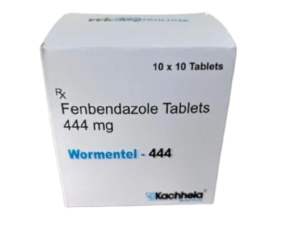
Fenbendazole 444 mg: A Comprehensive Guide to Uses, Benefits, and Safety
- Published on : December 15, 2025
Fenbendazole 444 mg is a widely recognized veterinary medication used to control and treat various internal паразitic infections in animals. It belongs to the benzimidazole class of anthelmintics and has been trusted by veterinarians for decades due to its effectiveness, broad-spectrum activity, and generally favorable safety profile when used correctly.
This article provides a detailed, realistic, and clear overview of Fenbendazole 444 mg, including how it works, its common uses, administration considerations, safety information, and frequently asked questions.
What Is Fenbendazole 444 mg?
Fenbendazole is an antiparasitic medication primarily used in animals to treat gastrointestinal worms. The “444 mg” refers to the strength of the tablet or dose unit, which is commonly formulated for medium to large animals or for precise dosing regimens as recommended by veterinarians.
Fenbendazole is approved for veterinary use in many countries and is commonly used in animals such as dogs, cats, horses, cattle, sheep, goats, and other livestock. It is effective against a range of parasites, making it a versatile option in animal health management.
Common Uses of Fenbendazole 444 mg
Fenbendazole 444 mg is used to treat and control several types of internal parasites, including:
- Roundworms
- Hookworms
- Whipworms
- Certain tapeworms
- Lungworms (in specific species)
Its broad-spectrum activity makes it particularly valuable in routine deworming programs as well as targeted parasite treatment plans.
In livestock, Fenbendazole is often used to help maintain herd health and productivity. In companion animals, it plays an important role in preventing parasite-related digestive issues, weight loss, and poor overall health.
How Fenbendazole Works
Fenbendazole works by interfering with the parasite’s ability to absorb glucose. Without glucose, the parasites are unable to produce the energy they need to survive. Over time, this leads to the death of the parasites, which are then naturally expelled from the animal’s body.
One of the reasons Fenbendazole is so effective is its selective action. It targets parasitic organisms while having minimal impact on the host animal when administered at recommended doses.
Administration and Dosage Considerations
Fenbendazole 444 mg is typically administered orally, often mixed with food or given directly, depending on the animal and formulation. The exact dosage and duration of treatment depend on several factors, including:
- Animal species
- Body weight
- Type of паразitic infection
- Severity of infestation
- Veterinary guidance
It is important to follow a veterinarian’s instructions closely. Self-adjusting doses or treatment duration can reduce effectiveness or increase the risk of side effects.
Safety Profile and Side Effects
Fenbendazole is generally well tolerated in animals when used as directed. Side effects are uncommon but may occasionally include:
- Mild gastrointestinal upset
- Temporary diarrhea
- Reduced appetite
- Lethargy (rare)
In most cases, these effects are short-lived and resolve without intervention. However, animals with pre-existing health conditions or those receiving other medications should be monitored carefully.
Pregnant animals, breeding animals, or very young animals should only receive Fenbendazole under veterinary supervision to ensure safety.
Storage and Handling
To maintain effectiveness and safety, Fenbendazole 444 mg should be stored properly:
- Keep in a cool, dry place
- Protect from direct sunlight
- Store out of reach of children and non-target animals
- Use only before the expiration date
Always wash hands after handling veterinary medications.
Quality, Regulation, and Veterinary Oversight
Reputable Fenbendazole products are manufactured under strict quality control standards. Veterinary formulations are tested for consistency, purity, and effectiveness. Purchasing products from reliable suppliers helps ensure that the medication meets regulatory requirements and delivers expected results.
Veterinary oversight is important, especially in cases of repeated deworming, resistance management, or mixed паразitic infections.
Addressing Myths and Misconceptions
In recent years, Fenbendazole has been discussed in non-veterinary contexts online. It is important to clarify that Fenbendazole 444 mg is formulated and approved for animal use only. Claims outside approved veterinary applications are not supported by regulatory authorities, and self-use without medical supervision is not recommended.
Responsible use, guided by professional advice, is essential for animal health and safety.
Frequently Asked Questions (FAQ)
1. What animals can use Fenbendazole 444 mg?
Fenbendazole is commonly used in dogs, cats, horses, cattle, sheep, goats, and other livestock. The suitability depends on the species and veterinary guidance.
2. How long does Fenbendazole take to work?
Fenbendazole begins acting soon after administration, but complete parasite elimination may take several days, depending on the type of infection and treatment duration.
3. Is Fenbendazole safe for long-term use?
Long-term or repeated use should only be done under veterinary supervision to prevent resistance and ensure animal safety.
4. Can Fenbendazole be used with other medications?
In many cases, yes, but potential interactions depend on the specific medications involved. Always consult a veterinarian before combining treatments.
5. What should I do if I miss a dose?
If a dose is missed, follow your veterinarian’s instructions. Do not double the dose unless specifically advised.
6. Are there any animals that should not receive Fenbendazole?
Animals with known hypersensitivity, severe illness, or specific medical conditions may require alternative treatments. Veterinary evaluation is essential.
7. Does Fenbendazole kill parasite eggs?
Fenbendazole primarily targets adult parasites and larvae. Environmental management and proper hygiene are also important to prevent reinfestation.
Conclusion
Fenbendazole 444 mg remains a trusted and effective solution for managing internal паразites in animals. Its broad-spectrum activity, proven mechanism of action, and established safety profile make it a valuable tool in veterinary medicine when used responsibly.
Proper dosing, veterinary guidance, and realistic expectations are key to achieving the best outcomes. By understanding how Fenbendazole works and using it appropriately, animal owners and professionals can help ensure healthier, parasite-free animals and improved overall well-being.
Table of Contents
Product categories
- AMOXICILLIN
- AZITHROMYCIN
- Cancer
- Cephalexin
- Ciprofloxacin
- CLENBUTEROL
- Colchicine
- Doxycycline
- Erectile Dysfunction
- FENBENDAZOLE & MEBENDAZONE
- Fluconazole
- Fluvoxamine
- Gabapentin
- General
- Generic Paxlovid
- Hdroxychloroquine
- Hormonal
- Infection
- Inhaler & Respules
- Ivermectin
- Low And High Dose Naltrexone
- Metronidazole
- OLANZAPINE & MIRTAZAPINE
- Other
- Pirfenidone
- PREDNISONE
- Psychiatric Medicine
- Skin Care
- Testosterone
- Thyroid
- Viral Care
- VITAMIN B12 & VITAMIN D3
- Weight Loss & Diabetic