

Blog
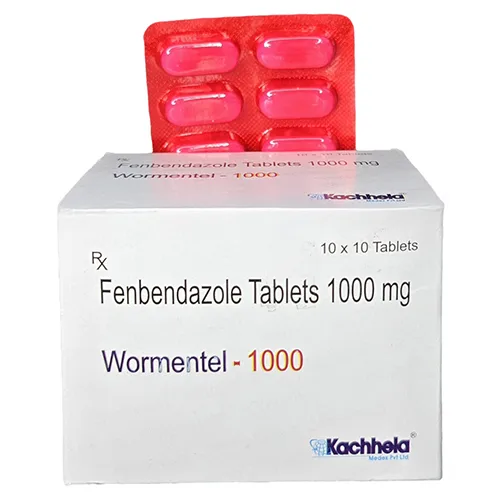
Fenbendazole 1000 mg: Uses, Dosage, Benefits, Side Effects, and Safety Information
- Published on : December 15, 2025
Fenbendazole 1000 mg is a higher-strength formulation of a well-known antiparasitic medication. It belongs to the benzimidazole class of drugs and is primarily used to treat a wide range of parasitic infections, especially intestinal worms. Fenbendazole has been widely used in veterinary medicine for decades due to its effectiveness, safety profile, and broad spectrum of activity against parasites. In recent years, it has also gained attention for research purposes, although its approved and established use remains antiparasitic treatment.
This blog provides a detailed, realistic, and medically accurate overview of Fenbendazole 1000 mg, including its uses, mechanism of action, dosage considerations, benefits, possible side effects, precautions, and frequently asked questions.
What Is Fenbendazole 1000 mg?
Fenbendazole is an anthelmintic (anti-worm) medication that works by killing and eliminating parasitic worms from the body. The 1000 mg strength is generally used in situations where a higher dose is required based on body weight, severity of infection, or treatment protocol.
Fenbendazole is effective against:
- Roundworms
- Hookworms
- Whipworms
- Certain tapeworms
- Strongyloides species
It disrupts the parasite’s ability to absorb glucose, leading to energy depletion and eventual death of the parasite.
How Fenbendazole Works
Fenbendazole works by binding to tubulin proteins within parasitic cells. This action prevents the formation of microtubules, which are essential for cell division and nutrient absorption. As a result:
- The parasite loses its ability to absorb glucose
- Energy production stops
- The parasite becomes immobilized and dies
Dead parasites are then naturally expelled from the body through bowel movements.
Uses of Fenbendazole 1000 mg
Fenbendazole 1000 mg is commonly used for the treatment and control of parasitic infections. Its uses include:
1. Intestinal Worm Infections
Fenbendazole is highly effective in treating infections caused by roundworms, hookworms, whipworms, and some tapeworms. These infections can cause symptoms such as abdominal pain, diarrhea, bloating, weight loss, anemia, and fatigue.
2. Parasitic Infections Resistant to Other Treatments
In cases where parasites show resistance to other anthelmintic medications, Fenbendazole may be prescribed as an alternative due to its broad spectrum of action.
3. Preventive Deworming
In veterinary settings, Fenbendazole is often used as part of regular deworming programs to prevent parasite infestations.
4. Research and Investigational Use
Fenbendazole has been studied in laboratory and experimental settings for other potential applications. However, these uses are investigational and not officially approved for medical treatment.
Dosage and Administration
The dosage of Fenbendazole 1000 mg depends on several factors, including:
- Body weight
- Type of parasitic infection
- Severity of infestation
- Duration of treatment
Typically, Fenbendazole is taken orally and may be administered once daily for several days, depending on the treatment protocol.
Important:
Fenbendazole should always be used according to professional guidance. Self-medication or incorrect dosing may reduce effectiveness or increase the risk of side effects.
Benefits of Fenbendazole 1000 mg
Fenbendazole offers several advantages, including:
- Broad-spectrum antiparasitic activity
- Effective against multiple types of worms
- Generally well tolerated when used correctly
- Low risk of severe side effects
- Proven efficacy over decades of use
Because of these benefits, Fenbendazole remains a trusted antiparasitic medication worldwide.
Possible Side Effects
Fenbendazole is generally considered safe when taken at recommended doses. However, some individuals may experience mild side effects, such as:
- Nausea
- Abdominal discomfort
- Diarrhea
- Headache
- Dizziness
In rare cases, allergic reactions may occur. Symptoms of a serious reaction include rash, swelling, severe dizziness, or difficulty breathing. Medical attention should be sought immediately if these symptoms appear.
Precautions and Warnings
Before using Fenbendazole 1000 mg, consider the following precautions:
- Inform your healthcare provider about any existing medical conditions
- Disclose all medications or supplements you are currently taking
- Avoid use during pregnancy unless clearly advised by a medical professional
- Use caution in individuals with liver disorders
- Do not exceed the recommended dosage
Fenbendazole should not be used without proper medical or professional supervision.
Storage Instructions
- Store Fenbendazole at room temperature
- Keep away from direct sunlight and moisture
- Keep out of reach of children
- Do not use expired medication
Proper storage ensures the medication remains effective and safe.
Frequently Asked Questions (FAQs)
1. What is Fenbendazole 1000 mg used for?
Fenbendazole 1000 mg is used to treat parasitic worm infections, including roundworms, hookworms, whipworms, and certain tapeworms. It works by killing parasites and helping the body eliminate them naturally.
2. Is Fenbendazole safe to use?
When used at recommended doses and under proper guidance, Fenbendazole is generally safe and well tolerated. Mild side effects may occur but are usually temporary.
3. How long does Fenbendazole take to work?
Fenbendazole begins working soon after ingestion. Parasites typically die within a few days, and symptoms often improve as the infection clears.
4. Can Fenbendazole be taken on an empty stomach?
Fenbendazole is often taken with food to improve absorption, but this may vary depending on the specific treatment plan. Follow professional instructions carefully.
5. Can Fenbendazole be used for long-term treatment?
Fenbendazole is usually prescribed for short treatment courses. Long-term use should only occur under professional supervision, as prolonged use may increase the risk of side effects.
Conclusion
Fenbendazole 1000 mg is a powerful and effective antiparasitic medication with a long history of use. Its broad-spectrum activity, safety profile, and proven effectiveness make it a reliable option for treating various parasitic infections. When used responsibly and according to professional guidance, Fenbendazole can help eliminate harmful parasites and improve overall health.
As with any medication, correct dosing, adherence to instructions, and awareness of potential side effects are essential for safe and effective treatment. Always consult a qualified professional before starting Fenbendazole 1000 mg.
Table of Contents
Product categories
- AMOXICILLIN
- AZITHROMYCIN
- Cancer
- Cephalexin
- Ciprofloxacin
- CLENBUTEROL
- Colchicine
- Doxycycline
- Erectile Dysfunction
- FENBENDAZOLE & MEBENDAZONE
- Fluconazole
- Fluvoxamine
- Gabapentin
- General
- Generic Paxlovid
- Hdroxychloroquine
- Hormonal
- Infection
- Inhaler & Respules
- Ivermectin
- Low And High Dose Naltrexone
- Metronidazole
- OLANZAPINE & MIRTAZAPINE
- Other
- Pirfenidone
- PREDNISONE
- Psychiatric Medicine
- Skin Care
- Testosterone
- Thyroid
- Viral Care
- VITAMIN B12 & VITAMIN D3
- Weight Loss & Diabetic