

Blog
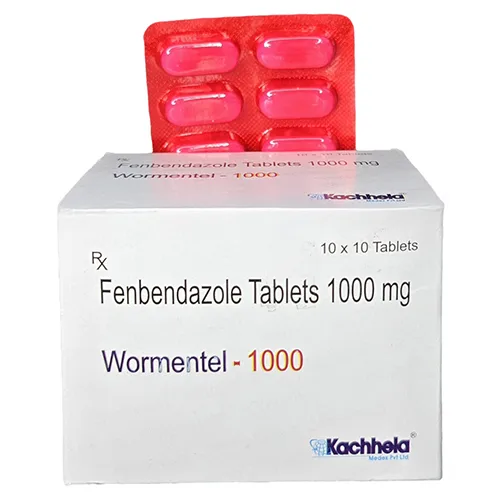
Fenbendazole 1000 mg: Uses, Benefits, Safety, and Important Facts
- Published on : December 15, 2025
Fenbendazole 100 mg (often marketed in higher total-dose formats such as Fenbendazole 1000 mg packs) is a well-known antiparasitic medication primarily used in veterinary medicine. It belongs to the benzimidazole class of compounds and has been widely prescribed for decades to treat a range of internal parasites in animals. In recent years, Fenbendazole has gained broader public attention, making it important to clearly understand its approved uses, safety profile, and limitations.
This blog provides a realistic, factual overview of Fenbendazole 1000 mg, explaining what it is, how it works, its approved applications, safety considerations, and commonly asked questions.
What Is Fenbendazole 1000 mg?
Fenbendazole is an anthelmintic (deworming) agent used to eliminate gastrointestinal parasites in animals. The term “Fenbendazole 1000 mg” typically refers to total active content in a package or course, rather than a single tablet dosage. It is commonly formulated as powders, granules, tablets, or suspensions.
Fenbendazole works by disrupting the parasite’s cellular structure, specifically by interfering with microtubule formation. This prevents parasites from absorbing nutrients, eventually causing their death and removal from the host’s body.
Approved Veterinary Uses
Fenbendazole is approved and widely used by veterinarians for treating parasitic infections in animals such as:
- Dogs
- Cats
- Horses
- Cattle
- Sheep and goats
Common Parasites Treated
Fenbendazole is effective against several internal parasites, including:
- Roundworms
- Hookworms
- Whipworms
- Certain tapeworms
- Lungworms (in some species)
Veterinarians often choose Fenbendazole due to its broad spectrum, low toxicity, and well-documented safety record when used correctly.
How Fenbendazole Works in the Body
Fenbendazole targets parasitic cells by binding to tubulin, a protein required for cell division. Without functional microtubules, parasites are unable to maintain their internal structure or energy metabolism.
Key characteristics of its action include:
- Selective toxicity toward parasites
- Minimal absorption into the host’s bloodstream
- Localized action in the gastrointestinal tract
This mechanism explains why Fenbendazole is generally well tolerated in animals when administered according to veterinary guidance.
Safety and Tolerability
Veterinary Safety Profile
Fenbendazole has been used for many years and is considered safe when administered at recommended veterinary doses. Side effects in animals are uncommon but may include:
- Mild gastrointestinal upset
- Temporary lethargy
- Rare allergic reactions
These effects are usually short-lived and resolve without intervention.
Important Human Use Disclaimer
Fenbendazole is not approved for human use by regulatory authorities such as the FDA or EMA. While there is ongoing scientific interest in its properties, there is no official medical approval for human treatment. Any off-label use without medical supervision carries potential risks.
Storage and Handling
Proper storage helps maintain the effectiveness of Fenbendazole products:
- Store in a cool, dry place
- Keep away from direct sunlight
- Ensure containers are tightly sealed
- Keep out of reach of children and non-target animals
Always check product labeling for specific storage instructions.
Why Fenbendazole Has Gained Public Attention
In recent years, Fenbendazole has attracted attention beyond veterinary medicine due to anecdotal discussions online. It is important to distinguish between ongoing research, personal stories, and medically approved treatments.
At present:
- Fenbendazole remains a veterinary drug
- Clinical evidence for human applications is limited and inconclusive
- Professional medical guidance is essential before considering any non-approved use
Responsible discussion helps prevent misinformation and protects public health.
Advantages in Veterinary Medicine
Fenbendazole remains a trusted option for parasite control due to:
- Long history of use
- Proven effectiveness
- Wide safety margin
- Affordability
- Compatibility with combination parasite control programs
Veterinarians often include Fenbendazole as part of routine deworming protocols.
Regulatory Status
Fenbendazole products are regulated for animal health use only. Manufacturing standards, labeling, and quality controls are designed specifically for veterinary applications. Using veterinary products outside their intended purpose may violate regulations and pose health risks.
Frequently Asked Questions (FAQ)
1. What is Fenbendazole 1000 mg used for?
Fenbendazole 1000 mg is used in veterinary medicine to treat internal parasitic infections in animals such as dogs, cats, horses, and livestock.
2. Is Fenbendazole safe?
Yes, when used according to veterinary instructions, Fenbendazole has a strong safety record in animals. Misuse or unsupervised use is not recommended.
3. Can humans take Fenbendazole?
Fenbendazole is not approved for human use. Anyone considering it for non-veterinary purposes should consult a qualified healthcare professional.
4. Does Fenbendazole kill all parasites?
Fenbendazole is effective against many common intestinal parasites but not all. A veterinarian can determine the most appropriate treatment.
5. Are there side effects?
Side effects are rare in animals but may include mild digestive discomfort or temporary lethargy.
6. How should Fenbendazole be stored?
Store in a cool, dry place away from moisture and direct sunlight, following the product label instructions.
7. Is Fenbendazole the same as other dewormers?
Fenbendazole belongs to the benzimidazole class and differs from other dewormers in its mechanism and spectrum of activity.
Conclusion
Fenbendazole 1000 mg is a well-established veterinary antiparasitic medication with decades of documented use. Its effectiveness, affordability, and safety have made it a staple in animal healthcare worldwide. However, it is essential to use Fenbendazole only for its approved veterinary purposes and under proper professional guidance.
Clear understanding, responsible use, and evidence-based decision-making ensure the best outcomes for both animals and people. Always consult a veterinarian or healthcare professional before making decisions related to medical treatments.
Table of Contents
Product categories
- AMOXICILLIN
- AZITHROMYCIN
- Cancer
- Cephalexin
- Ciprofloxacin
- CLENBUTEROL
- Colchicine
- Doxycycline
- Erectile Dysfunction
- FENBENDAZOLE & MEBENDAZONE
- Fluconazole
- Fluvoxamine
- Gabapentin
- General
- Generic Paxlovid
- Hdroxychloroquine
- Hormonal
- Infection
- Inhaler & Respules
- Ivermectin
- Low And High Dose Naltrexone
- Metronidazole
- OLANZAPINE & MIRTAZAPINE
- Other
- Pirfenidone
- PREDNISONE
- Psychiatric Medicine
- Skin Care
- Testosterone
- Thyroid
- Viral Care
- VITAMIN B12 & VITAMIN D3
- Weight Loss & Diabetic