

Blog
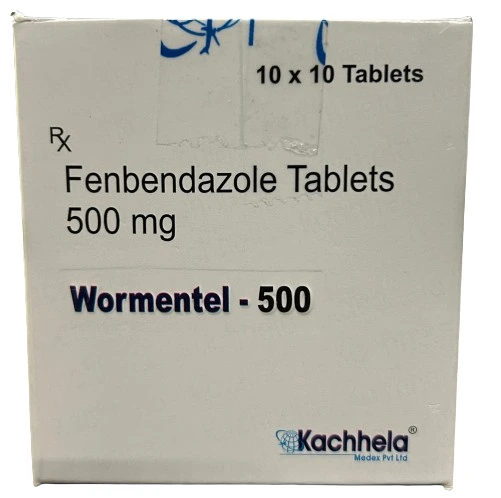
Fenbendazole 500 mg: Detailed Information on Uses, Dosage, Benefits, and Safety
- Published on : December 15, 2025
Fenbendazole 500 mg is a commonly used antiparasitic medication in veterinary medicine. It is widely trusted for its effectiveness in treating and controlling various internal паразites that affect animals. Veterinarians and animal caretakers rely on Fenbendazole due to its broad-spectrum action, safety profile, and ease of administration across different animal species.
This article offers an in-depth and realistic overview of Fenbendazole 500 mg, including how it functions, its approved uses, dosage considerations, safety measures, storage guidelines, and frequently asked questions.
What Is Fenbendazole 500 mg?
Fenbendazole is an anthelmintic drug, meaning it is designed to eliminate parasitic worms from the body. It belongs to the benzimidazole group of medications, which are widely used in veterinary care for parasite management.
The 500 mg strength is typically available in tablet, powder, or granule form and is formulated specifically for animals. It is commonly prescribed for pets such as dogs and cats, as well as livestock including cattle, sheep, goats, and horses.
How Fenbendazole Works in the Body
Fenbendazole works by interfering with the internal cellular structure of parasites. It disrupts the formation of microtubules within parasite cells, which are essential for glucose absorption and energy production.
Without access to glucose, parasites are unable to survive. Over time, this leads to their immobilization and elimination from the host’s digestive or respiratory system. Fenbendazole’s mechanism allows it to act on both mature worms and developing larvae, making it effective in breaking the parasite life cycle.
Approved Uses of Fenbendazole 500 mg
Fenbendazole 500 mg is widely used for treating and preventing various parasitic infections in animals.
1. Treatment of Gastrointestinal Worms
Fenbendazole is effective against several types of intestinal worms, including:
- Roundworms
- Hookworms
- Whipworms
- Certain species of tapeworms
These parasites can cause digestive disturbances, malnutrition, anemia, and weakened immunity if left untreated.
2. Lungworm Infections
In some animals, Fenbendazole is used to manage lungworm infections. Lungworms can affect breathing and overall stamina, particularly in grazing animals.
3. Routine Deworming Programs
Veterinarians often include Fenbendazole in scheduled deworming programs to prevent reinfestation, especially in animals exposed to outdoor environments, soil, or other animals.
4. Livestock Parasite Management
In farm animals, parasitic infections can lead to reduced weight gain, lower milk production, and poor overall health. Fenbendazole helps maintain productivity and animal welfare by controlling parasite loads effectively.
Dosage and Administration Guidelines
The correct dosage of Fenbendazole 500 mg depends on multiple factors, such as:
- Animal species
- Body weight
- Type of parasitic infection
- Severity of infestation
Fenbendazole is commonly administered once daily for a period ranging from 3 to 5 days. In certain cases, longer treatment durations may be recommended by a veterinarian.
It is essential to follow veterinary instructions or product label directions carefully. Improper dosing may reduce effectiveness or increase the risk of side effects.
Safety Profile of Fenbendazole 500 mg
Fenbendazole is generally considered safe when used correctly and under professional guidance. It has been extensively used in veterinary medicine and has a wide margin of safety.
Possible Side Effects
Side effects are uncommon but may include:
- Mild digestive upset
- Temporary diarrhea
- Lethargy
- Decreased appetite
These effects are usually mild and resolve without treatment.
Precautions to Consider
- Avoid use in animals with known sensitivity to benzimidazole medications
- Use caution in pregnant animals unless approved by a veterinarian
- Do not exceed recommended dosages
- Keep medication out of reach of children
Importance of Responsible Use
Fenbendazole has gained attention online for non-approved uses. It is important to rely on scientific evidence and regulatory approvals when considering any medication.
Using Fenbendazole outside its intended veterinary purpose without professional supervision can be unsafe. Responsible use ensures animal health, prevents misuse, and supports ethical medical practices.
Storage and Handling Instructions
Proper storage helps maintain the effectiveness of Fenbendazole 500 mg:
- Store at room temperature
- Keep away from direct sunlight and moisture
- Seal the container tightly after use
- Dispose of unused medication according to local regulations
Key Benefits of Fenbendazole 500 mg
- Broad-spectrum parasite control
- Effective against multiple worm species
- Well-tolerated in animals
- Simple dosing schedules
- Cost-effective for both pets and livestock
Frequently Asked Questions (FAQ)
1. Which animals can be treated with Fenbendazole 500 mg?
Fenbendazole is commonly used for dogs, cats, horses, cattle, sheep, goats, and other animals, depending on veterinary guidance.
2. How quickly does Fenbendazole start working?
Fenbendazole typically begins acting within 24 to 48 hours, though complete parasite removal may take several days.
3. Can Fenbendazole be given with food?
Yes, it is often administered with food to enhance absorption and reduce stomach irritation.
4. Is Fenbendazole safe for repeated use?
When used as directed by a veterinarian, Fenbendazole can be safely included in regular deworming programs.
5. Is a prescription required to purchase Fenbendazole?
This depends on local regulations. In many areas, Fenbendazole is available over the counter for veterinary use.
6. What should I do if I miss a dose?
Administer the missed dose as soon as possible unless it is close to the next scheduled dose. Do not double the dose.
7. Can Fenbendazole interact with other medications?
Fenbendazole has minimal known drug interactions, but it is best to inform your veterinarian about any other medications your animal is receiving.
Conclusion
Fenbendazole 500 mg remains a reliable and effective solution for controlling parasitic infections in animals. Its proven effectiveness, broad-spectrum action, and strong safety record make it an essential part of veterinary parasite management. When used responsibly and under professional guidance, Fenbendazole helps support animal health, comfort, and long-term well-being.
Table of Contents
Product categories
- AMOXICILLIN
- AZITHROMYCIN
- Cancer
- Cephalexin
- Ciprofloxacin
- CLENBUTEROL
- Colchicine
- Doxycycline
- Erectile Dysfunction
- FENBENDAZOLE & MEBENDAZONE
- Fluconazole
- Fluvoxamine
- Gabapentin
- General
- Generic Paxlovid
- Hdroxychloroquine
- Hormonal
- Infection
- Inhaler & Respules
- Ivermectin
- Low And High Dose Naltrexone
- Metronidazole
- OLANZAPINE & MIRTAZAPINE
- Other
- Pirfenidone
- PREDNISONE
- Psychiatric Medicine
- Skin Care
- Testosterone
- Thyroid
- Viral Care
- VITAMIN B12 & VITAMIN D3
- Weight Loss & Diabetic