

Blog
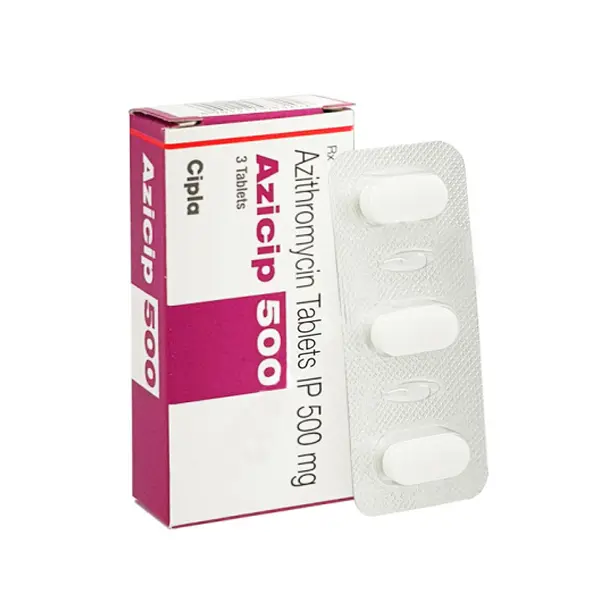
Azithromycin 500 mg: Uses, Dosage, Side Effects, and Precautions
- Published on : December 10, 2025
Azithromycin 500 mg is one of the most commonly prescribed antibiotics worldwide. Belonging to the macrolide class of antibiotics, it is highly effective in treating a wide range of bacterial infections. Whether you are dealing with respiratory infections, skin conditions, or sexually transmitted infections, Azithromycin 500 mg often plays a key role in the treatment plan.
In this article, we will cover everything you need to know about Azithromycin 500 mg, including its uses, dosage, side effects, precautions, and tips for safe usage.
What is Azithromycin 500 mg?
Azithromycin 500 mg is a prescription antibiotic that works by stopping the growth of bacteria. Unlike over-the-counter medications, it specifically targets bacterial infections rather than viral infections such as the common cold or flu.
It is widely available in tablet form, often as a 500 mg dosage, which is one of the most commonly prescribed strengths for adults.
Uses of Azithromycin 500 mg
Azithromycin 500 mg is versatile and can be used to treat several types of infections, including:
- Respiratory Tract Infections
- Bronchitis
- Pneumonia
- Sinusitis
2. Skin and Soft Tissue Infections
- Cellulitis
- Wound infections
3. Ear and Throat Infections
- Tonsillitis
- Pharyngitis
- Otitis media
4. Sexually Transmitted Infections
- Chlamydia
- Gonorrhea (in combination therapy)
5. Other Infections
- Certain gastrointestinal infections like Salmonella
- Mycobacterial infections in specific cases
How Azithromycin 500 mg Works
Azithromycin is a macrolide antibiotic, which works by inhibiting the protein synthesis of bacteria. Essentially, it stops bacteria from growing and multiplying, allowing the body’s immune system to fight off the infection more effectively.
Unlike some antibiotics that need to be taken multiple times a day, Azithromycin has a long half-life, which often allows for shorter treatment durations.
Dosage of Azithromycin 500 mg
The dosage of Azithromycin 500 mg depends on the type and severity of the infection. Common adult dosages include:
- Standard course for respiratory infections: 500 mg once daily for 3 days or 5 days depending on the infection.
- Chlamydia treatment: Single dose of 1 g (two 500 mg tablets) may be prescribed.
- Other infections: Your doctor will adjust the dosage based on your condition.
Important: Always follow your healthcare provider’s instructions. Do not self-medicate or change your dosage without consulting a doctor.
How to Take Azithromycin 500 mg
- Take the tablet exactly as prescribed.
- It can be taken with or without food, but taking it with food may reduce stomach upset.
- Swallow the tablet whole with a glass of water.
- Complete the full course even if you start feeling better. Stopping early can lead to antibiotic resistance.
Side Effects of Azithromycin 500 mg
Like all medications, Azithromycin 500 mg may cause side effects. Most are mild and temporary, but some require immediate medical attention.
Common Side Effects:
- Nausea or vomiting
- Diarrhea
- Stomach pain
- Headache
Serious Side Effects (Seek medical help immediately):
- Allergic reactions (rash, itching, swelling, difficulty breathing)
- Severe diarrhea (may indicate Clostridium difficile infection)
- Irregular heartbeat or palpitations
Precautions Before Taking Azithromycin 500 mg
Before starting Azithromycin, inform your doctor if you:
- Are allergic to macrolides or any other antibiotics.
- Have liver or kidney disease.
- Have a history of heart problems, especially arrhythmias.
- Are pregnant or breastfeeding.
- Are taking other medications, including blood thinners and antacids.
Avoid alcohol while taking Azithromycin, as it may increase the risk of side effects like stomach upset or liver issues.
Interactions with Other Medications
Azithromycin can interact with other medicines, which may reduce its effectiveness or increase side effects. Common interactions include:
- Blood thinners like warfarin
- Certain heart medications (e.g., amiodarone)
- Antacids containing aluminum or magnesium (take these 2 hours before or after Azithromycin)
Always consult your doctor or pharmacist before starting any new medication while on Azithromycin.
Storage and Safety
- Store at room temperature, away from moisture and heat.
- Keep out of reach of children.
- Do not use expired Azithromycin.
FAQs
- Can Azithromycin 500 mg treat viral infections?
No, it is only effective against bacterial infections. It does not work for viral illnesses like the common cold or flu. - Can I drink alcohol while taking Azithromycin?
It is best to avoid alcohol as it may increase side effects such as nausea and liver strain. - What happens if I miss a dose?
Take the missed dose as soon as you remember. If it’s almost time for the next dose, skip the missed one. Do not double dose. - Is Azithromycin safe during pregnancy?
Consult your doctor. It may be prescribed if necessary, but safety should always be evaluated individually.
Conclusion
Azithromycin 500 mg is a powerful and widely used antibiotic that effectively treats a range of bacterial infections. Correct usage, following dosage instructions, and being aware of side effects and drug interactions are essential for safe and effective treatment.
If you experience persistent symptoms or severe side effects, consult your healthcare provider immediately. With responsible use, Azithromycin 500 mg can help you recover quickly and safely.
Table of Contents
Product categories
- AMOXICILLIN
- AZITHROMYCIN
- Cancer
- Cephalexin
- Ciprofloxacin
- CLENBUTEROL
- Colchicine
- Doxycycline
- Erectile Dysfunction
- FENBENDAZOLE & MEBENDAZONE
- Fluconazole
- Fluvoxamine
- Gabapentin
- General
- Generic Paxlovid
- Hdroxychloroquine
- Hormonal
- Infection
- Inhaler & Respules
- Ivermectin
- Low And High Dose Naltrexone
- Metronidazole
- OLANZAPINE & MIRTAZAPINE
- Other
- Pirfenidone
- PREDNISONE
- Psychiatric Medicine
- Skin Care
- Testosterone
- Thyroid
- Viral Care
- VITAMIN B12 & VITAMIN D3
- Weight Loss & Diabetic