

Blog
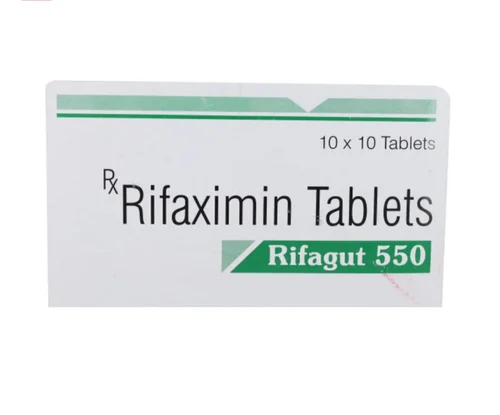
Rifaximin 550 mg: Uses, Benefits, Dosage, Side Effects & Complete Guide
- Published on : December 10, 2025
Rifaximin 550 mg is a widely prescribed antibiotic medication used primarily to treat specific gastrointestinal (GI) conditions. Known for its minimal absorption in the bloodstream, Rifaximin remains mostly in the intestine, making it highly effective for gut-related infections and disorders. If you are looking for a complete, SEO-optimized guide on Rifaximin 550 mg, this blog covers everything—from how it works to dosage details, side effects, safety advice, and FAQs.
What is Rifaximin 550 mg?
Rifaximin 550 mg is an oral antibiotic that works by stopping the growth of harmful bacteria in the intestines. Unlike many antibiotics, Rifaximin is poorly absorbed into the bloodstream, which means it acts mainly in the gastrointestinal tract. This makes it effective for GI-related conditions without causing major systemic side effects.
Brand Names
Some common brand names include:
- Xifaxan
- Rifagut
- Rixmin
- Rifasyl
How Does Rifaximin 550 mg Work?
Rifaximin belongs to the rifamycin class of antibiotics. It works by inhibiting bacterial RNA synthesis, preventing bacteria from reproducing. Since the medicine stays in the gut, it directly targets harmful bacteria responsible for infections and digestive symptoms.
Medical Uses of Rifaximin 550 mg
Rifaximin 550 mg is commonly prescribed for:
1. Hepatic Encephalopathy (HE)
Patients with chronic liver disease may develop HE, a condition where toxins build up in the brain due to poor liver function.
Rifaximin helps reduce the number of toxin-producing bacteria in the gut. Doctors commonly prescribe 550 mg twice daily for prevention of recurrent HE episodes.
2. Irritable Bowel Syndrome with Diarrhea (IBS-D)
Rifaximin is one of the few antibiotics approved for IBS-D. It helps:
- Reduce diarrhea
- Ease abdominal pain
- Lower bloating
- Improve bowel patterns
This is due to its ability to reduce bacterial overgrowth (SIBO) in the small intestine.
3. Traveler’s Diarrhea
Although the 200 mg and 400 mg variants are more common for traveler’s diarrhea, the 550 mg dose may also be used based on the doctor’s recommendation. It helps treat diarrhea caused by non-invasive E. coli.
4. Small Intestinal Bacterial Overgrowth (SIBO)
Even though not officially approved for SIBO in some countries, Rifaximin is widely used off-label because of its strong gut-targeting action. It helps reduce bacteria causing gas, bloating, and digestive discomfort.
Dosage Guide for Rifaximin 550 mg
Your doctor will prescribe the exact dose, but common guidelines include:
For Hepatic Encephalopathy
- 550 mg twice a day
- Long-term maintenance treatment
For IBS-D
- 550 mg three times a day for 14 days
- A repeat course may be given if symptoms return
For SIBO (Off-label Use)
- Usually 550 mg 2–3 times daily for 10–14 days
- May be combined with other antibiotics in some cases
For Traveler’s Diarrhea
- Dose varies; doctor will decide based on severity
Important:
Never change the dosage or frequency without medical advice.
Benefits of Rifaximin 550 mg
✔ Acts Locally in the Gut
Very little of the drug enters the bloodstream, reducing systemic side effects.
✔ Effective for IBS-D & SIBO
Improves digestive comfort, reduces bloating, and relieves chronic diarrhea.
✔ Reduces HE Recurrence
Helps prevent confusion, personality changes, and brain toxicity in liver-disease patients.
✔ Safe for Long-Term Use (in HE)
Studies show a favorable safety profile.
✔ Low Risk of Resistance
Bacteria develop resistance more slowly compared to many other antibiotics.
Possible Side Effects of Rifaximin 550 mg
While most people tolerate Rifaximin well, some may experience:
- Nausea
- Bloating
- Abdominal pain
- Headache
- Constipation or loose stools
- Fatigue
- Fever (rare)
- Swelling of legs or hands (in HE patients)
Serious but rare reactions
Seek medical help if you notice:
- Severe allergic reaction
- Persistent bloody diarrhea
- Liver-related symptoms (yellow eyes, dark urine)
Precautions Before Taking Rifaximin 550 mg
You should avoid or use caution if:
1. You are allergic to rifamycin antibiotics
(e.g., rifampin, rifabutin)
2. You have severe liver disease
Dose adjustments may be needed.
3. You are pregnant or breastfeeding
Seek medical advice before use.
4. You have bloody diarrhea or fever
This may indicate an invasive infection where Rifaximin may not be suitable.
5. You are taking other medications
Especially:
- Cyclosporine
- Warfarin
- Anticonvulsants
Rifaximin 550 mg Drug Interactions
While interactions are minimal because Rifaximin is poorly absorbed, it may still interact with:
- Immunosuppressants
- Some antibiotics
- Blood thinners
Always tell your doctor about all medications and supplements you are taking.
How to Take Rifaximin 550 mg Correctly
- Take the tablet with or without food.
- Swallow whole; do not crush.
- Take it at the same time every day.
- Complete the full course even if symptoms improve.
Skipping doses may reduce effectiveness.
Is Rifaximin 550 mg Safe?
For most patients, Rifaximin is considered very safe, especially because:
- It works inside the gut only
- Causes fewer side effects than systemic antibiotics.
- Has a low risk of bacterial resistance.
However, it must be used only under medical guidance.
Who Should Avoid Rifaximin 550 mg?
Avoid use if you:
- Are allergic to rifamycin antibiotics
- Have severe bowel obstruction
- Have diarrhea with high fever or blood
Storage Information
- Store at room temperature (20–25°C)
- Keep away from moisture and heat
- Keep out of reach of children
FAQs About Rifaximin 550 mg
1. How long does Rifaximin 550 mg take to work?
Most people notice improvement within 2–5 days, depending on the condition.
2. Can I use Rifaximin for SIBO?
Yes, it is commonly used off-label for SIBO with excellent results.
3. Is Rifaximin safe for long-term use?
For hepatic encephalopathy, long-term use is considered safe under medical supervision.
4. Can I drink alcohol while taking Rifaximin?
It’s best to avoid alcohol, especially if you have liver disease.
5. Does Rifaximin kill good bacteria?
Its impact on beneficial bacteria is minimal compared to other antibiotics.
6. Can Rifaximin cause constipation?
Yes, but it is uncommon. More often, it helps reduce diarrhea.
Conclusion
Rifaximin 550 mg is a highly effective, gut-targeted antibiotic used for conditions like IBS-D, hepatic encephalopathy, traveler’s diarrhea, and SIBO. With minimal absorption and a low risk of severe side effects, it has become a preferred choice for patients with digestive disorders. However, like all medications, it should only be taken under medical guidance.
If you’re looking to buy Rifaximin 550 mg or learn more about its medical uses, always consult a healthcare professional before starting treatment.
Table of Contents
Product categories
- AMOXICILLIN
- AZITHROMYCIN
- Cancer
- Cephalexin
- Ciprofloxacin
- CLENBUTEROL
- Colchicine
- Doxycycline
- Erectile Dysfunction
- FENBENDAZOLE & MEBENDAZONE
- Fluconazole
- Fluvoxamine
- Gabapentin
- General
- Generic Paxlovid
- Hdroxychloroquine
- Hormonal
- Infection
- Inhaler & Respules
- Ivermectin
- Low And High Dose Naltrexone
- Metronidazole
- OLANZAPINE & MIRTAZAPINE
- Other
- Pirfenidone
- PREDNISONE
- Psychiatric Medicine
- Skin Care
- Testosterone
- Thyroid
- Viral Care
- VITAMIN B12 & VITAMIN D3
- Weight Loss & Diabetic