
Blog
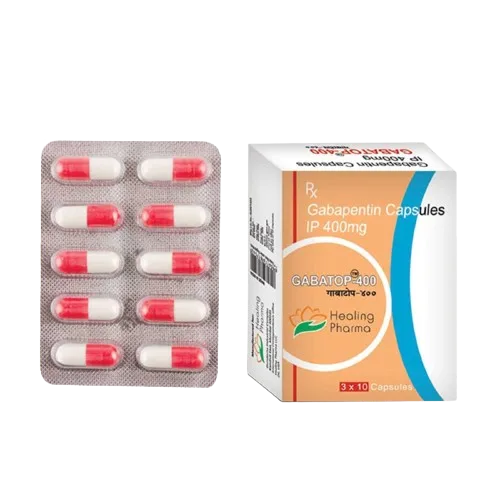
Gabapentin 400 mg: Uses, Benefits, Side Effects, Dosage & Complete Guide (2025 Updated)
- Published on : December 9, 2025
Gabapentin 400 mg is one of the most commonly prescribed medications for nerve-related pain and seizure disorders. It belongs to the class of anticonvulsants and is widely known for its effectiveness, safety profile, and versatility in treating various neurological conditions. If you have been prescribed Gabapentin 400 mg or are searching for accurate, SEO-friendly, and reliable information, this comprehensive guide will help you understand everything about the medicine—its uses, benefits, dosage, working mechanism, side effects, precautions, and more.
What Is Gabapentin 400 mg?
Gabapentin 400 mg is a prescription medication used to treat neuropathic pain (nerve pain) and partial seizures. It works by affecting the chemicals and nerves in the body that cause seizures and pain. Originally developed to manage epilepsy, Gabapentin is now widely used for several other chronic pain conditions.
Gabapentin 400 mg capsules/tablets are often used as a moderate dosage for patients who require consistent nerve pain control or dosage escalation from lower strengths such as 100 mg or 300 mg.
How Gabapentin 400 mg Works
Gabapentin works by influencing GABA-related neurotransmitters in the brain. Although it does not directly affect GABA receptors, it stabilizes nerve activity, reducing abnormal excitement in the brain. This helps:
- Reduce nerve pain signals
- Control seizures
- Improve sleep quality in patients with chronic pain
Its calming effect on overactive nerves makes it the go-to treatment for various neuropathic disorders.
Gabapentin 400 mg Uses
Gabapentin 400 mg is prescribed for several medical conditions, including:
1. Neuropathic Pain
- Nerve pain caused by conditions such as:
- Diabetic neuropathy
- Postherpetic neuralgia (shingles pain)
- Nerve injuries
- Sciatica
- Spinal cord injury
Gabapentin helps reduce burning, tingling, and shooting pain sensations.
2. Epilepsy (Partial Seizures)
Gabapentin 400 mg is used as adjunctive therapy to control partial seizures in adults and children (above the prescribed age).
3. Fibromyalgia
Doctors often prescribe Gabapentin for fibromyalgia-related widespread musculoskeletal pain and sleep disturbances.
4. Restless Legs Syndrome (RLS)
It helps reduce uncomfortable sensations in the legs, improving mobility and sleep.
5. Anxiety Disorders (Off-label Use)
Some healthcare providers prescribe Gabapentin for generalized anxiety disorder or social anxiety.
Note: Off-label use must be supervised by a licensed physician.
Benefits of Gabapentin 400 mg
Gabapentin 400 mg provides multiple benefits for patients suffering from chronic pain and neurological conditions:
- Reduces nerve pain intensity
- Controls seizures effectively
- Improves sleep quality
- Enhances daily functioning
- Reduces dependence on opioid painkillers
- Has a lower risk of addiction vs. other pain medications
Many patients experience noticeable pain relief after a few weeks of consistent use.
Gabapentin 400 mg Dosage Guide
Dosage varies depending on the patient’s condition, age, and medical history. Always follow your doctor’s instructions.
Typical Dosage Schedule
- Starting dose: 100–300 mg per day
- Titration: Increased gradually over several days
- Maintenance dose: 300–600 mg taken 2–3 times daily
- Maximum daily dose: Up to 3600 mg/day (as prescribed)
How to Take Gabapentin 400 mg
- Take with or without food.
- Swallow the capsule whole with water.
- Take at the same time(s) every day.
- Do NOT stop suddenly—withdrawal may cause seizures or anxiety rebound.
Missed Dose
If you forget a dose:
- Take it as soon as you remember
- Skip if it’s almost time for the next dose
- Never double the dose
Side Effects of Gabapentin 400 mg
Like all medications, Gabapentin may cause some side effects. Most are mild and improve with time.
Common Side Effects
- Dizziness
- Drowsiness
- Fatigue
- Weight gain
- Swelling in legs/feet
- Blurred vision
- Coordination problems
- Dry mouth
Serious Side Effects (Rare)
Seek medical attention if you experience:
- Mood changes or depression
- Difficulty breathing
- Severe allergic reactions
- Suicidal thoughts
- Unusual bruising
- Severe dizziness or confusion
If any severe symptoms occur, stop taking Gabapentin and consult a doctor immediately.
Precautions & Warnings
Before using Gabapentin 400 mg, inform your doctor if you have:
- Kidney disease
- Breathing disorders
- Depression or mental health conditions
- Pregnancy or breastfeeding
- Alcohol or drug dependence history
Avoid Alcohol
Alcohol increases dizziness and drowsiness, heightening the risk of dangerous side effects.
Avoid Driving
Do not drive or operate heavy machinery until you know how Gabapentin affects you.
Drug Interactions
Gabapentin may interact with the following:
- Opioid painkillers (e.g., morphine)
- Antacids containing magnesium or aluminum
- Sleeping pills
- Anxiety medications
- Antidepressants
- Antihistamines
Always inform your doctor about all medicines you are taking.
Who Should Not Take Gabapentin 400 mg?
Avoid Gabapentin if you:
- Are allergic to Gabapentin
- Have untreated respiratory conditions
- Are taking heavy sedatives
- Are under age guidelines without medical approval
Gabapentin 400 mg vs. Other Strengths
| Strength | Best For |
| Gabapentin 100 mg | Beginners, mild neuropathic pain |
| Gabapentin 300 mg | Moderate nerve pain, step-up dosage |
| Gabapentin 400 mg | Moderate to severe pain, maintenance dose |
| Gabapentin 600/800 mg | Severe chronic nerve pain |
Gabapentin 400 mg offers a balanced dosage suitable for long-term pain and seizure management.
Is Gabapentin 400 mg Addictive?
Gabapentin is not considered addictive like opioids, but some people may misuse it. Always take it exactly as prescribed.
FAQs
1. How long does Gabapentin 400 mg take to work?
You may begin feeling relief in 1–2 weeks, but full effects may take up to 4 weeks.
2. Can I take Gabapentin 400 mg for anxiety?
Doctors may prescribe it off-label for anxiety, but professional supervision is required.
3. Can I stop Gabapentin suddenly?
No. Sudden withdrawal can cause seizures or severe anxiety. Dose must be reduced gradually.
4. Is Gabapentin safe for long-term use?
Yes—if monitored by a doctor. Many patients use it for years safely.
5. Can I take Gabapentin with alcohol?
Avoid alcohol because it increases sedation and breathing issues.
Conclusion
Gabapentin 400 mg is a highly effective medication for managing nerve pain, seizures, and several chronic neurological conditions. Its benefits include pain relief, improved mobility, and better sleep quality. When taken under proper medical guidance, it offers safe and long-term relief for many patients.
Always use Gabapentin responsibly and follow your doctor’s dosing instructions for best results.
Table of Contents
Product categories
- AMOXICILLIN
- AZITHROMYCIN
- Cancer
- Cephalexin
- Ciprofloxacin
- CLENBUTEROL
- Colchicine
- Doxycycline
- Erectile Dysfunction
- FENBENDAZOLE & MEBENDAZONE
- Fluconazole
- Fluvoxamine
- Gabapentin
- General
- Generic Paxlovid
- Hdroxychloroquine
- Hormonal
- Infection
- Inhaler & Respules
- Ivermectin
- Low And High Dose Naltrexone
- Metronidazole
- OLANZAPINE & MIRTAZAPINE
- Other
- Pirfenidone
- PREDNISONE
- Psychiatric Medicine
- Skin Care
- Testosterone
- Thyroid
- Viral Care
- VITAMIN B12 & VITAMIN D3
- Weight Loss & Diabetic