

Blog
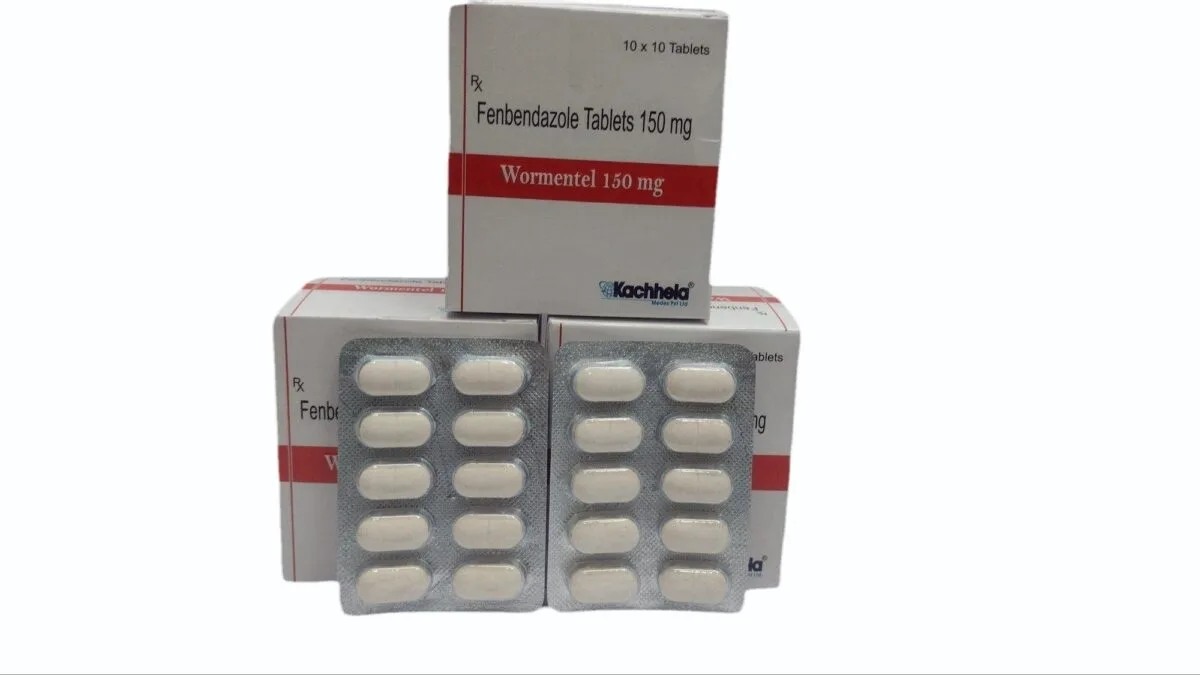
Fenbendazole Wormentel 150 mg: Uses, Dosage, Benefits, and Safety Guide
- Published on : December 9, 2025
Fenbendazole Wormentel 150 mg is a popular veterinary medication widely used for deworming pets and livestock. It belongs to the class of benzimidazole anthelmintics and is highly effective against a broad spectrum of gastrointestinal parasites. Whether you own dogs, cats, or farm animals, understanding how to use Fenbendazole Wormentel safely and effectively is essential for maintaining animal health.
In this blog, we’ll provide a complete guide covering its uses, benefits, dosage, safety precautions, and frequently asked questions.
What is Fenbendazole Wormentel 150 mg?
Fenbendazole Wormentel 150 mg is an oral dewormer designed to treat infections caused by various intestinal parasites. It works by interfering with the energy metabolism of worms, ultimately leading to their death. Its effectiveness spans multiple parasite types, including roundworms, hookworms, whipworms, and certain tapeworms.
Fenbendazole is often chosen for its safety profile and minimal side effects when administered as per recommended dosage.
Uses of Fenbendazole Wormentel 150 mg
Fenbendazole Wormentel 150 mg is primarily used to treat gastrointestinal worm infections in animals. Its uses include:
- Roundworm Infections (Ascarids) – Helps eliminate common intestinal worms in dogs, cats, and livestock.
- Hookworm Infections (Ancylostoma spp.) – Prevents anemia and digestive issues caused by hookworms.
- Whipworm Infections (Trichuris spp.) – Effectively treats whipworm infestations in dogs and farm animals.
- Tapeworm Infections (Taenia spp.) – Some tapeworm species respond to Fenbendazole treatment.
- Giardia Infections – Helps manage Giardia, a protozoan parasite causing diarrhea.
By targeting these parasites, Fenbendazole Wormentel 150 mg helps improve digestion, nutrient absorption, and overall animal health.
How Fenbendazole Wormentel 150 mg Works
Fenbendazole inhibits microtubule formation in the cells of worms, disrupting their nutrient absorption. Without proper nutrients, the worms lose energy and die. The body then expels them naturally through feces. This mechanism makes Fenbendazole a potent and reliable choice for deworming in veterinary practice.
Dosage and Administration
Correct dosage is crucial for effectiveness and safety. The recommended dosage of Fenbendazole Wormentel 150 mg depends on the type and size of the animal.
Dogs and Cats:
- Typical dosage: 50 mg per kg of body weight per day for 3 consecutive days.
- Administration: Can be mixed with food or given directly orally.
- Note: Always weigh your pet before calculating the dose.
Livestock (Cattle, Sheep, and Goats):
- Dosage may vary based on weight and parasite type.
- Commonly administered orally as a drench or mixed in feed.
Important Tips:
- Do not exceed the recommended dosage.
- For heavy infestations, a second treatment may be recommended after 2–3 weeks.
- Consult a veterinarian for the exact dosage, especially in young, pregnant, or sick animals.
Benefits of Fenbendazole Wormentel 150 mg
- Broad-Spectrum Effectiveness – Targets multiple types of intestinal parasites.
- Safe for Most Animals – Low toxicity when used as recommended.
- Improves Overall Health – Reduces digestive issues, malnutrition, and lethargy caused by worms.
- Convenient Administration – Available in tablet and oral suspension forms.
- Proven Track Record – Widely trusted by veterinarians globally.
Side Effects and Precautions
Fenbendazole is generally well-tolerated, but mild side effects may occur:
- Vomiting or diarrhea
- Loss of appetite
- Temporary lethargy
Safety Precautions:
- Do not use in animals with known hypersensitivity to Fenbendazole.
- Pregnant or lactating animals should only use Fenbendazole under veterinary guidance.
- Avoid overdosing; always follow the recommended dosage.
- Store in a cool, dry place away from direct sunlight.
Storage Guidelines
- Keep tablets in the original container.
- Store at room temperature (15–30°C).
- Keep out of reach of children and pets.
Proper storage ensures the medication retains its efficacy and remains safe for use.
SEO Keywords Integration
For better online visibility, use these high-ranking keywords strategically:
- Fenbendazole Wormentel 150 mg
- Fenbendazole for dogs
- Wormentel dewormer
- Fenbendazole dosage for pets
- Broad-spectrum dewormer
By naturally including these keywords in your content, your blog can attract more organic traffic from pet owners and veterinary professionals searching for deworming solutions.
FAQs
- Can I give Fenbendazole Wormentel 150 mg to my puppy or kitten?
Yes, but consult a veterinarian for proper dosage based on age and weight. - How long does it take to see results?
Most animals show improvement within 3–5 days after completing the course. - Is Fenbendazole safe for pregnant pets?
Only under veterinary supervision, as safety may vary depending on the stage of pregnancy. - Can I use it for humans?
No, Fenbendazole is strictly a veterinary drug. Human use is not approved. - How often should I deworm my pet?
Typically every 3–6 months, depending on exposure risk and veterinary advice.
Conclusion
Fenbendazole Wormentel 150 mg is a reliable and effective deworming solution for pets and livestock. Its broad-spectrum action, safety profile, and ease of use make it a preferred choice among veterinarians. By following the recommended dosage and precautions, you can ensure your animals remain healthy, parasite-free, and active. Always consult a veterinarian for guidance tailored to your specific animal’s needs.
Investing in preventive care like Fenbendazole Wormentel 150 mg not only eliminates parasites but also supports your animal’s overall well-being.
Table of Contents
Product categories
- AMOXICILLIN
- AZITHROMYCIN
- Cancer
- Cephalexin
- Ciprofloxacin
- CLENBUTEROL
- Colchicine
- Doxycycline
- Erectile Dysfunction
- FENBENDAZOLE & MEBENDAZONE
- Fluconazole
- Fluvoxamine
- Gabapentin
- General
- Generic Paxlovid
- Hdroxychloroquine
- Hormonal
- Infection
- Inhaler & Respules
- Ivermectin
- Low And High Dose Naltrexone
- Metronidazole
- OLANZAPINE & MIRTAZAPINE
- Other
- Pirfenidone
- PREDNISONE
- Psychiatric Medicine
- Skin Care
- Testosterone
- Thyroid
- Viral Care
- VITAMIN B12 & VITAMIN D3
- Weight Loss & Diabetic