

Blog
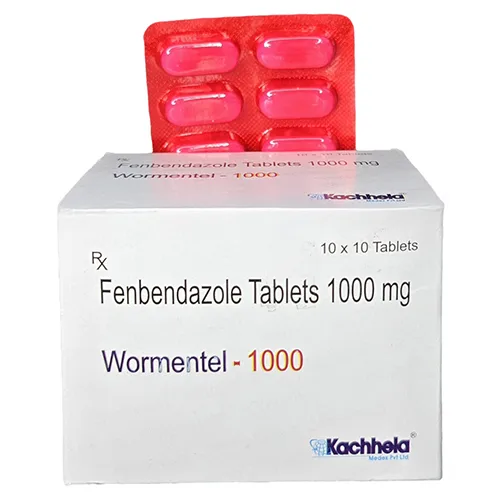
Fenbendazole 1000 mg: Uses, Benefits, Dosage, and Safety Guide for Pet Owners
- Published on : December 9, 2025
Fenbendazole 1000 mg has become a widely recognized deworming medication in the veterinary world, especially for dogs, cats, horses, and livestock. Known for its strong efficacy and broad-spectrum action, Fenbendazole is one of the most trusted antiparasitic agents used by veterinarians today. If you’re a pet owner or animal caregiver researching the purpose and proper use of Fenbendazole 1000 mg, this comprehensive guide will help you understand everything you need to know—its uses, dosage considerations, safety information, and more.
Before moving forward, it is important to clarify that Fenbendazole is approved for animal use only. It is not approved as a treatment for human medical conditions, and any claims suggesting such should be disregarded unless supported by regulatory authorities. Always consult a licensed veterinarian before administering any medication to your animals.
What Is Fenbendazole 1000 mg?
Fenbendazole is a broad-spectrum anthelmintic (dewormer) that belongs to the benzimidazole class of medications. The 1000 mg formulation indicates a high-strength dose often used for larger animals such as horses, cattle, goats, and sometimes in compounded forms for specific veterinary instructions.
Fenbendazole works by disrupting the energy metabolism of internal parasites, effectively killing them and preventing further reproduction. It is commonly available as a powder, suspension, paste, or tablet.
What Parasites Does Fenbendazole Treat?
Fenbendazole 1000 mg is effective against a wide range of internal parasites, including:
1. Roundworms (Toxocara and Toxascaris species)
These intestinal worms are especially common in puppies, kittens, and grazing animals.
2. Hookworms (Ancylostoma and Uncinaria species)
Hookworms can cause anemia and gastrointestinal distress, particularly in young or immunocompromised animals.
3. Whipworms (Trichuris vulpis)
Fenbendazole is one of the most effective medications for controlling whipworm infections in dogs.
4. Tapeworms (Taenia species)
Although not effective against Dipylidium caninum, Fenbendazole can treat certain Taenia tapeworms.
5. Lungworms
Some species of lungworms in dogs and livestock respond well to Fenbendazole treatment.
6. Giardia (Protozoan parasite)
Fenbendazole is frequently used as part of an effective Giardia treatment plan, often combined with other medications.
Because of its broad-spectrum activity, Fenbendazole is a trusted choice for routine deworming and targeted parasite management.
Fenbendazole 1000 mg: Common Uses by Animal Type
For Dogs
Vets may prescribe Fenbendazole for gastrointestinal worm infestations and Giardia infections. It is generally well-tolerated and safe—even for pregnant dogs—when used correctly under veterinary guidance.
For Cats
Fenbendazole is used in some cases of roundworm, hookworm, and lungworm infections. Cats, however, often require more precise dosing, so professional veterinary oversight is essential.
For Horses
Fenbendazole 1000 mg formulations (often in paste or granular form) are commonly used for:
- Large and small strongyles
- Pinworms
- Ascarids
- Encysted small strongyles (at higher or repeated doses)
For Cattle, Sheep, and Goats
Fenbendazole is widely used to control internal parasites to support herd health, weight gain, and productivity.
Dosage Guidelines for Fenbendazole 1000 mg
Important: The exact dose varies by species, weight, parasite type, and formulation. Never use human measurements or guesses when dosing animals.
General Veterinary Guidelines (for reference only; always confirm with a veterinarian)
- Dogs: Typically 50 mg/kg once daily for 3 days
- Cats: Often similar to dogs but only under veterinary supervision
- Horses: Dosage depends on parasite load and specific product instructions
- Livestock: Doses vary widely based on species and herd treatment goals
Because Fenbendazole 1000 mg is a high-strength version, veterinarians often dilute, divide, or pair it with weight-specific dosing instructions.
How to Administer Fenbendazole
Fenbendazole is versatile and can be administered in various forms:
- Oral paste (common for horses)
- Pellets or granules mixed into feed
- Oral suspension
- Tablets or capsules
To ensure effectiveness:
- Administer the full recommended course.
- Avoid skipping doses.
- Prevent reinfection by cleaning the animal’s environment.
Safety and Side Effects
Fenbendazole is widely regarded as one of the safest veterinary dewormers available. Side effects are uncommon and usually mild if they appear.
Possible Side Effects Include:
- Mild vomiting
- Temporary diarrhea
- Lethargy
- Reduced appetite
- In rare cases, allergic reactions related to parasite die-off
If symptoms persist or worsen, seek veterinary support immediately.
Is Fenbendazole 1000 mg Safe for Pregnant or Nursing Animals?
In many cases, veterinarians consider Fenbendazole safe for pregnant animals, particularly dogs. However, the safety can vary by species and specific health conditions, so always check with a vet before administering it to pregnant or lactating animals.
Important Warning: Not Approved for Human Use
In recent years, there have been misleading online claims suggesting Fenbendazole can treat human diseases, including cancer. These claims are not supported by major medical authorities, and the drug is not approved for human consumption.
Using Fenbendazole without medical approval can be dangerous and is strongly discouraged.
Storage and Handling
To preserve potency:
- Store in a cool, dry place
- Keep away from sunlight
- Keep out of reach of children and pets
- Seal containers tightly after each use
Proper storage ensures the medication remains effective throughout its shelf life.
Why Fenbendazole 1000 mg Is Popular Among Veterinarians
Veterinarians prefer Fenbendazole because:
- It targets multiple parasites
- It has a wide safety margin
- It is easy to administer
- It works well for regular deworming programs
- It can be used across many species
This makes Fenbendazole one of the most reliable and practical choices in parasite control.
Conclusion
Fenbendazole 1000 mg is a powerful and trusted deworming medication used to protect the health of dogs, cats, horses, and livestock. Its broad-spectrum activity, high safety profile, and flexibility make it a staple in veterinary medicine. While easy to use, proper dosing and professional guidance are essential for effectiveness and safety.
If you are considering using Fenbendazole 1000 mg for any animal, always consult with a licensed veterinarian to determine the correct dosage and treatment plan. Responsible use ensures your animals stay healthy, parasite-free, and safe.
Table of Contents
Product categories
- AMOXICILLIN
- AZITHROMYCIN
- Cancer
- Cephalexin
- Ciprofloxacin
- CLENBUTEROL
- Colchicine
- Doxycycline
- Erectile Dysfunction
- FENBENDAZOLE & MEBENDAZONE
- Fluconazole
- Fluvoxamine
- Gabapentin
- General
- Generic Paxlovid
- Hdroxychloroquine
- Hormonal
- Infection
- Inhaler & Respules
- Ivermectin
- Low And High Dose Naltrexone
- Metronidazole
- OLANZAPINE & MIRTAZAPINE
- Other
- Pirfenidone
- PREDNISONE
- Psychiatric Medicine
- Skin Care
- Testosterone
- Thyroid
- Viral Care
- VITAMIN B12 & VITAMIN D3
- Weight Loss & Diabetic