

Blog
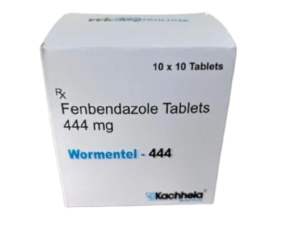
Fenbendazole 444 mg: Uses, Dosage, Benefits, Safety & Complete Guide
- Published on : December 9, 2025
Fenbendazole 444 mg has gained attention in the veterinary and animal health communities for its effective action against a broad spectrum of parasites. Originally developed as a deworming agent for animals, fenbendazole is widely prescribed by veterinarians for pets, livestock, and other animals. In this blog, we provide a complete guide to Fenbendazole 444 mg, including its uses, dosage, benefits, safety, and precautions.
What is Fenbendazole 444 mg?
Fenbendazole belongs to the benzimidazole class of drugs and works as an anthelmintic (dewormer). Its primary mechanism is disrupting the energy metabolism of parasitic worms, leading to their death. Fenbendazole is effective against:
- Roundworms (nematodes)
- Hookworms
- Whipworms
- Tapeworms (in certain formulations)
- Giardia (in some cases)
The 444 mg strength is one of the commonly available dosages for larger animals or specific parasite treatments.
Uses of Fenbendazole 444 mg
Fenbendazole is primarily used in veterinary medicine. Its applications include:
- Deworming Pets: Dogs, cats, and other domestic animals often require fenbendazole to control internal parasites.
- Livestock Parasite Control: Cattle, sheep, and goats benefit from fenbendazole to prevent worm infestations, which can affect growth and productivity.
- Preventing Parasite Transmission: Regular use helps reduce the risk of parasites spreading among animals and to humans in zoonotic cases.
- Occasional Off-Label Uses: Online discussions have explored fenbendazole for other purposes, but it is important to remember that human use is not approved or recommended without veterinary or medical supervision.
How Fenbendazole Works
Fenbendazole interferes with the cellular function of parasites:
- It binds to tubulin, a protein essential for microtubule formation in worms.
- This binding prevents nutrient absorption in the parasite, ultimately killing it.
- It is highly selective, meaning it targets worms without affecting the host significantly.
This mechanism makes fenbendazole a safe and effective option for controlling intestinal worms in animals.
Fenbendazole 444 mg Dosage
Dosage may vary depending on the species, age, weight, and type of infection. Always follow a veterinarian’s guidance. Typical dosages include:
- Dogs and Cats: Usually 50 mg/kg per day, administered orally for 3–5 days.
- Cattle: 5–10 mg/kg body weight as a single dose or multiple doses based on the veterinarian’s recommendation.
- Sheep and Goats: 5 mg/kg body weight as a single oral dose, sometimes repeated.
Important: Do not exceed recommended doses. Overdosing can lead to toxicity and adverse effects.
Administration and Form
Fenbendazole 444 mg is available in various forms.
- Oral suspension (liquid): Easy for smaller animals or precise dosing.
- Tablets or granules: Suitable for larger animals or mixing with feed.
- Powder form: Often used for livestock deworming in feed or water.
Ensure accurate measurement and thorough mixing if using feed or water formulations.
Benefits of Fenbendazole 444 mg
Fenbendazole provides multiple benefits for animals:
- Effective Parasite Control: Works against a broad range of internal parasites.
- Improved Health: Reduces anemia, malnutrition, and other complications caused by parasitic infections.
- Cost-Effective: Affordable and widely available compared to other dewormers.
- Safe: Low toxicity when administered correctly.
- Convenient Administration: Multiple forms allow flexible dosing for different animals.
Safety and Precautions
While fenbendazole is generally safe, it’s important to follow precautions:
- Veterinary Guidance: Always consult a veterinarian before starting treatment.
- Pregnancy and Lactation: Use only under supervision; safety varies by species.
- Human Contact: Avoid direct ingestion; fenbendazole is intended for veterinary use.
- Side Effects: Rare but can include vomiting, diarrhea, or mild lethargy in animals.
- Storage: Keep in a cool, dry place, away from children and pets.
FAQs
1. Can fenbendazole be used for all pets?
Yes, but dosage varies. Always follow veterinary instructions. Some pets may need lower doses based on weight or species.
2. How long does it take to work?
Fenbendazole usually eliminates most worms within 3–5 days of treatment. Severe infections may require repeated dosing.
3. Is fenbendazole safe for humans?
Fenbendazole is a veterinary drug and not approved for human use. Any human application should be strictly under medical supervision.
4. Can I give fenbendazole with other medications?
Consult your veterinarian. Some medications may interact with fenbendazole, affecting efficacy or safety.
Conclusion
Fenbendazole 444 mg is a reliable and widely used deworming agent for animals, effective against a broad range of parasites. It promotes better health, prevents parasite transmission, and is safe when administered correctly under veterinary guidance. By understanding its uses, dosage, benefits, and precautions, pet owners and livestock managers can ensure optimal animal health and wellbeing.
Table of Contents
Product categories
- AMOXICILLIN
- AZITHROMYCIN
- Cancer
- Cephalexin
- Ciprofloxacin
- CLENBUTEROL
- Colchicine
- Doxycycline
- Erectile Dysfunction
- FENBENDAZOLE & MEBENDAZONE
- Fluconazole
- Fluvoxamine
- Gabapentin
- General
- Generic Paxlovid
- Hdroxychloroquine
- Hormonal
- Infection
- Inhaler & Respules
- Ivermectin
- Low And High Dose Naltrexone
- Metronidazole
- OLANZAPINE & MIRTAZAPINE
- Other
- Pirfenidone
- PREDNISONE
- Psychiatric Medicine
- Skin Care
- Testosterone
- Thyroid
- Viral Care
- VITAMIN B12 & VITAMIN D3
- Weight Loss & Diabetic