

Blog
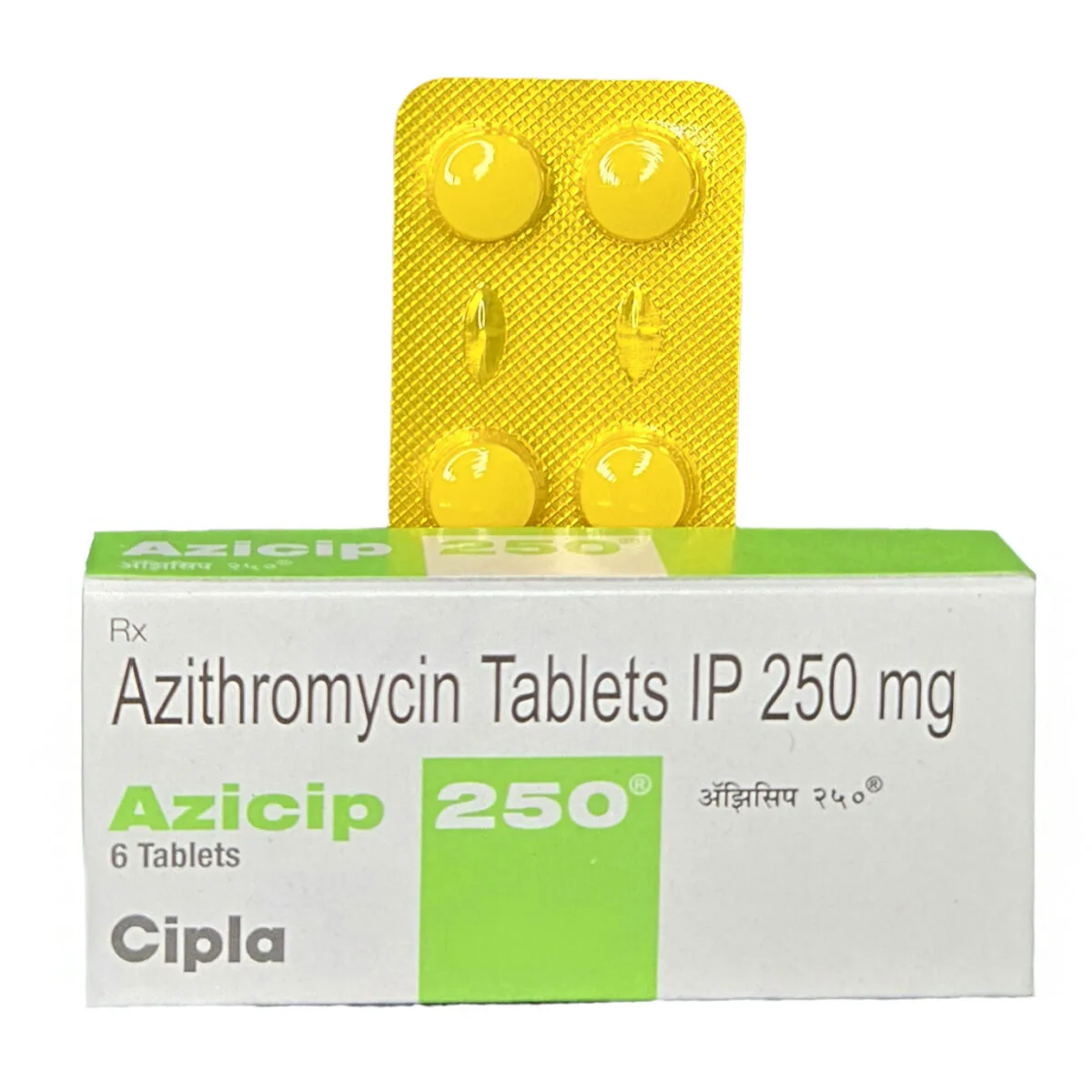
What is Azithromycin 250 mg?
- Published on : December 9, 2025
Azithromycin is a widely used antibiotic that belongs to the macrolide (more precisely, azalide) class. It works by inhibiting the protein synthesis of susceptible bacteria, thereby preventing their growth and helping the body clear the infection.
The 250 mg strength refers to each tablet containing 250 milligrams of azithromycin (typically as azithromycin dihydrate).
Azithromycin is favored because of its broad spectrum of activity: it can target a variety of bacteria — including many Gram positive and Gram negative species, and “atypical” bacteria such as those causing atypical pneumonia.
What Conditions is Azithromycin 250 mg Used For?
Azithromycin 250 mg (or azithromycin in general) is prescribed for a wide range of bacterial infections. Some of the common indications are:
- Infections of the upper respiratory tract — like sinusitis, pharyngitis (sore throat), tonsillitis, and acute otitis media (middle ear infection).
- Lower respiratory tract infections — such as mild to moderate community acquired pneumonia, acute bronchitis or exacerbations of chronic bronchitis (when bacterial).
- Skin and soft tissue infections (of mild to moderate severity), e.g. folliculitis, cellulitis, erysipelas.
- Some sexually transmitted infections — for example, uncomplicated genital infections due to Chlamydia trachomatis (and in some cases Neisseria gonorrhoeae), although treatment guidelines may vary.
Because azithromycin concentrates well in tissues (like lungs, tonsils, skin) rather than just in blood, it’s effective even for infections in deeper tissues.
Typical Dosage & How to Use It
When prescribed for adults (or children/adolescents over certain weight thresholds — often > 45 kg), the typical schedule involving 250 mg tablets may be as follows:
- Option 1: On Day 1, a higher dose (often 500 mg), then on Days 2–5 — 250 mg once daily.
- Option 2 (often used for shorter-course therapy): A total course of 3 days — sometimes a 500 mg once daily dose may be used (depending on severity and doctor’s advice)
Tablets can be taken with or without food, and it’s best to swallow them whole with a glass of water.
Important: The exact dose and duration depend on the type and severity of infection, your age and weight, renal or liver status. Always follow a doctor’s prescription.
How Azithromycin Works (Mechanism of Action)
Azithromycin binds to the 50S subunit of bacterial ribosomes, thereby blocking the translocation step in protein synthesis. This inhibits bacterial growth.
Unique to azithromycin (as opposed to some antibiotics) is its ability to accumulate strongly in tissues and inside immune cells (phagocytes). This allows high drug concentrations at the site of infection — often much higher than in blood serum — which improves efficacy.
Because of this property, azithromycin often allows shorter courses of therapy compared with older antibiotics.
Possible Side Effects and Warnings
Like all antibiotics, azithromycin has side effects, ranging from mild to (rarely) serious. It’s crucial patients are aware and consult a doctor if something unusual occurs.
Common / Mild Side Effects
- Gastrointestinal: nausea, vomiting, abdominal pain, diarrhea, indigestion.
- General: headache, dizziness, sometimes mild fatigue.
- Skin: rash, itching — usually mild.
Serious / Less Common Risks
- Allergic reactions: some people may be allergic to azithromycin or related macrolides. Rare but serious reactions (e.g. angioedema, anaphylaxis, severe skin reactions such as Stevens–Johnson syndrome or toxic epidermal necrolysis) have been reported.
- Liver effects: because azithromycin is largely processed by the liver and excreted in bile, there is a risk of liver injury in susceptible individuals; caution is recommended in people with existing liver disease.
- Heart rhythm changes (QT prolongation): in some cases, azithromycin may affect cardiac conduction, increasing risk of abnormal heart rhythms — especially in people with pre-existing heart conditions, electrolyte imbalance, or when combined with other QT prolonging drugs.
- Overuse and antibiotic resistance: misuse or overuse of azithromycin may contribute to bacteria developing resistance — reducing effectiveness in future infections. While not unique to azithromycin, this is a general concern with all antibiotics, and a reason to strictly follow a prescriber’s instructions.
Contraindications / When Not to Use
- Known allergy to azithromycin, erythromycin, or any macrolide/ketolide antibiotic.
- Patients with a history of jaundice or hepatic dysfunction related to prior azithromycin use should avoid it.
- Use with caution in individuals with significant liver disease, or severe renal impairment.
- Patients with certain heart conditions, electrolyte imbalances (like low potassium or magnesium), or those taking other medicines that affect the heart’s rhythm.
What to Keep in Mind When Using Azithromycin 250 mg
- Always take the full prescribed course even if you start feeling better — stopping early may not clear the infection and can encourage antibiotic resistance.
- Do not share the medicine with others, even if their symptoms are similar — dosage and appropriateness vary depending on individual condition.
- If you have known liver problems, heart disease, or take other medications affecting heart rhythm — consult your doctor before using azithromycin.
- Monitor for any signs of serious side effects: severe skin reactions, jaundice (yellowing of skin or eyes), rapid/irregular heartbeat, serious allergic symptoms — and seek immediate medical help if they appear.
- Use antibiotics responsibly — only when prescribed by a qualified healthcare provider, after proper diagnosis (e.g. confirmed bacterial infection). This helps preserve effectiveness and avoid antibiotic resistance.
Why Azithromycin 250 mg is Popular — Pros & Limitations
Advantages
- Broad-spectrum: Effective against many common bacteria causing respiratory, skin/soft tissue and some genital infections.
- Convenient dosing: Usually a short course (3–5 days), once daily — easier for patients compared with older antibiotics requiring multiple daily doses over longer periods.
- Good tissue penetration: Drug concentrates in tissues and cells where infection often resides, making treatment more effective.
- Generally well tolerated: Mild side effects for most people, lower incidence of gastrointestinal upset compared to some older antibiotics.
Limitations / Considerations
- Not suitable for all — people with allergies, certain liver or heart conditions, or taking interacting drugs.
- Risk of side effects (though serious ones are rare) — must be used under medical supervision.
- Overuse or misuse can lead to antibiotic resistance — reducing efficacy over time.
- Not effective against viral infections (e.g. common cold, viral sore throat) — antibiotic misuse in such cases is harmful.
Conclusion
Azithromycin 250 mg is a trusted and widely used antibiotic, effective against a variety of bacterial infections including respiratory, skin, soft tissue, and some sexually transmitted infections. Its mechanism — inhibiting bacterial protein synthesis and strong tissue penetration — allows for effective treatment over a short course, which makes it a patient friendly option.
However, like all antibiotics, it must be used responsibly and strictly under a doctor’s prescription. Patients should be aware of potential side effects, contraindications (especially liver or heart conditions) and the importance of completing the full prescribed course.
When used appropriately, azithromycin can be a safe and effective weapon against many common bacterial illnesses.
Table of Contents
Product categories
- AMOXICILLIN
- AZITHROMYCIN
- Cancer
- Cephalexin
- Ciprofloxacin
- CLENBUTEROL
- Colchicine
- Doxycycline
- Erectile Dysfunction
- FENBENDAZOLE & MEBENDAZONE
- Fluconazole
- Fluvoxamine
- Gabapentin
- General
- Generic Paxlovid
- Hdroxychloroquine
- Hormonal
- Infection
- Inhaler & Respules
- Ivermectin
- Low And High Dose Naltrexone
- Metronidazole
- OLANZAPINE & MIRTAZAPINE
- Other
- Pirfenidone
- PREDNISONE
- Psychiatric Medicine
- Skin Care
- Testosterone
- Thyroid
- Viral Care
- VITAMIN B12 & VITAMIN D3
- Weight Loss & Diabetic