

Blog
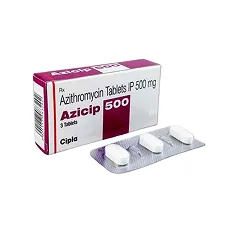
Azicip 500 mg — Uses, Benefits, Dosage & Important Information
- Published on : December 9, 2025
If you’ve ever heard of Azicip 500 mg, you may know it’s a widely used antibiotic. This article gives you a comprehensive look at what Azicip 500 mg is, when and how it’s used, dosage guidelines, side-effects, precautions, and best practices — all in one place.
What is Azicip 500 mg?
Azicip 500 mg is a branded antibiotic tablet whose active ingredient is Azithromycin (500 mg). It is manufactured by Cipla Ltd., one of India’s well-known pharmaceutical companies.
Azithromycin belongs to the macrolide group of antibiotics. Azicip works by slowing down or stopping the growth of bacteria — effectively helping the body get rid of bacterial infections.
What is Azicip Used For?
Azicip 500 mg is prescribed to treat a variety of bacterial infections. Some of its common uses include:
- Respiratory tract infections: such as pneumonia, bronchitis, sinusitis, throat infections (tonsillitis, pharyngitis).
- Ear, nose, and throat infections (ENT): including ear infections and sinus infections.
- Skin and soft tissue infections: bacterial skin infections or soft tissue (cutaneous) infections.
- Sexually transmitted infections (STIs): such as certain bacterial STIs like gonorrhea (when indicated).
- Other bacterial infections including certain infections of the lungs, eyes, urinary tract — but only when caused by bacteria susceptible to azithromycin.
In short: Azicip isn’t for viral illnesses like the common cold or flu. It only works for infections caused by bacteria — so use should always follow prescription by a qualified doctor.
How to Take Azicip 500 mg
To get the best results from Azicip, it’s important to follow usage guidelines carefully:
- Azicip 500 mg is taken orally (by mouth).
- It can be taken with or without food, but some sources recommend 1 hour before meals or 2 hours after eating.
- Swallow the tablet whole with a glass of water. Do not crush, chew or break it.
- Complete the full course prescribed by your doctor — even if you start feeling better. Skipping doses or stopping early can lead to the infection returning or treatment failure.
Because different types of infections vary in severity, dosage and duration can vary. Always follow what your physician prescribes.
Why Azicip (Azithromycin) — What Makes It Preferable?
Compared with some older antibiotics, Azicip (azithromycin) has a few advantages which make it a popular choice:
- It often requires shorter courses than some traditional antibiotics, making treatment simpler and easier to follow.
- It tends to have good tissue penetration, meaning it can reach infection sites more effectively (lungs, sinuses, skin, etc.).
- It is often chosen for patients who have allergy or intolerance to penicillin-based antibiotics — making it a useful alternative.
Potential Side Effects & Warnings
As with all medications, Azicip 500 mg comes with possible side effects and certain warnings. Most of the side effects are mild and temporary, but some require medical attention. Key points:
Common side effects may include:
- Nausea, vomiting
- Indigestion or stomach discomfort
- Diarrhoea or loose motions
Precautions and Warnings:
- People with liver problems, history of allergy to macrolide antibiotics, or heart rhythm disorders (arrhythmia) should inform the doctor before taking Azicip.
- In rare cases, especially if someone develops watery or bloody diarrhoea, medication must be stopped and a doctor consulted — this could signal gut related complications.
- If you are pregnant, planning pregnancy or breastfeeding, consult your doctor before using Azicip.
- Always check the expiry date and store the medicine properly — in a cool, dry place (typically below 30 °C), away from light and moisture.
Also, Azicip — like any antibiotic — does not work on viral infections (common cold, flu) and using it unnecessarily for those can contribute to antibiotic resistance.
What Happens If You Stop Early or Use Incorrectly?
Antibiotics are effective only when used properly. Some risks of misusing Azicip include:
- Incomplete elimination of bacteria, which might cause infection to return (relapse).
- Development of antibiotic resistance — bacteria may become resistant to azithromycin, making future infections harder to treat. (This is a concern for all antibiotics.)
- Worsening symptoms or complications, especially if the original infection persists or spreads.
Hence — always take the full prescribed course, even if you “feel better.”
When Should Azicip Not Be Used — Contraindications
Azicip may not be appropriate — or requires careful use — under certain conditions:
- Known allergy to azithromycin or other macrolide antibiotics.
- History of liver disease, jaundice, or jaundice caused by previous antibiotic treatments.
- Heart rhythm disorder (arrhythmia), or conditions that cause low potassium/magnesium levels.
- People using certain other drugs (e.g. cholesterol lowering drugs, anti gout meds, etc.) — drug interactions must be checked.
Because of these risks, Azicip should be used only under medical supervision, and only when medically indicated.
Tips to Improve Safety & Effectiveness
If you or someone you know is prescribed Azicip 500 mg, these suggestions may help ensure safe and effective treatment:
- Finish the full course even if you feel better before completion.
- Take at same time each day to maintain effective drug levels in the body.
- Drink plenty of water — helps the medicine absorb and reduces stomach irritation.
- After treatment, consider probiotics or fiber rich diet to help restore healthy gut flora (since antibiotics can affect gut bacteria).
- Avoid self medicating — seek a qualified doctor’s advice especially if you have existing health conditions (liver, heart, allergies).
- Do not use for viral infections — antibiotics don’t work for viruses.
Conclusion
Azicip 500 mg (Azithromycin 500 mg) is a trusted, effective antibiotic — widely used in India to treat many kinds of bacterial infections, including respiratory, skin, ENT, and certain sexually transmitted infections. Its benefits — like simpler dosing, shorter treatment courses, and broad antibacterial coverage — make it a popular choice.
However, like all antibiotics, it must be used with caution: only under prescription, with correct dosage and course completion. Misuse can lead to antibiotic resistance, relapse, or side effects.
If your doctor has prescribed Azicip, follow the instructions carefully. If you have concerns (side effects, existing health conditions, other medicines), discuss them with your physician or pharmacist before starting.
Important: This blog post is meant for informational purposes only. It does not replace medical advice. Always consult a licensed healthcare professional before starting or stopping any medication.
Table of Contents
Product categories
- AMOXICILLIN
- AZITHROMYCIN
- Cancer
- Cephalexin
- Ciprofloxacin
- CLENBUTEROL
- Colchicine
- Doxycycline
- Erectile Dysfunction
- FENBENDAZOLE & MEBENDAZONE
- Fluconazole
- Fluvoxamine
- Gabapentin
- General
- Generic Paxlovid
- Hdroxychloroquine
- Hormonal
- Infection
- Inhaler & Respules
- Ivermectin
- Low And High Dose Naltrexone
- Metronidazole
- OLANZAPINE & MIRTAZAPINE
- Other
- Pirfenidone
- PREDNISONE
- Psychiatric Medicine
- Skin Care
- Testosterone
- Thyroid
- Viral Care
- VITAMIN B12 & VITAMIN D3
- Weight Loss & Diabetic