

Blog
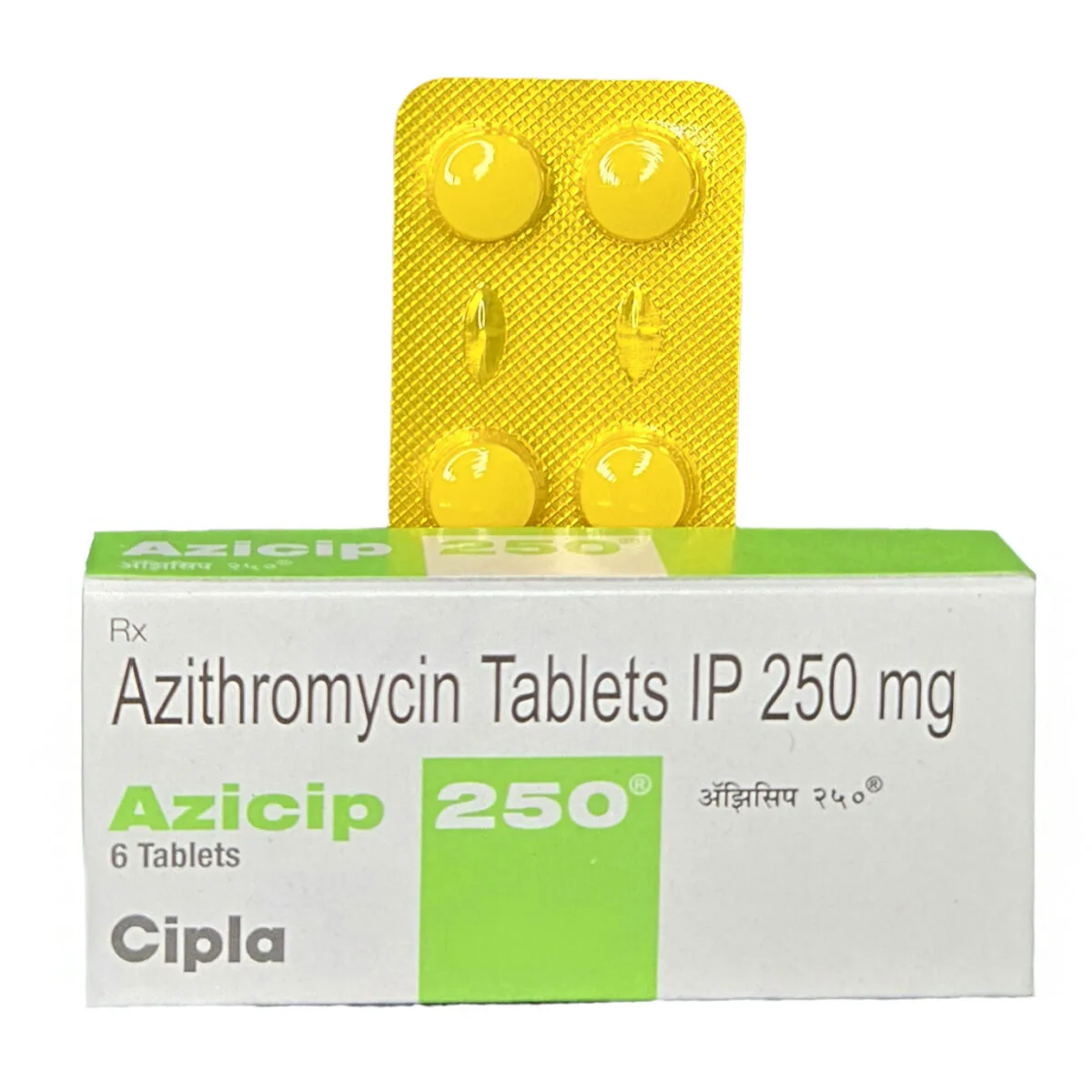
What is Azicip 250 mg?
- Published on : December 9, 2025
Azicip 250 mg is a prescription antibiotic tablet whose active ingredient is Azithromycin.
Azithromycin belongs to the class of macrolide antibiotics. It works by binding to the 50S subunit of the bacterial ribosome, thereby inhibiting protein synthesis — a process essential for bacterial growth and survival.
Because of its mechanism, Azicip 250 mg helps to slow down or kill harmful bacteria, allowing the body’s immune system to clear the infection.
What is Azicip Used For?
Azicip 250 mg is used for treating a wide variety of bacterial infections across different parts of the body. Common uses include:
- Respiratory tract infections — such as bronchitis, pneumonia, sinusitis, throat infections (pharyngitis/tonsillitis)
- Ear, nose and throat infections (e.g. ear infections, sinus infections)
- Skin and soft tissue infections
- Some sexually transmitted infections (when caused by susceptible bacteria)
- Urinary tract / genital infections in certain cases (as prescribed by a doctor)
It is important to note: Azicip (azithromycin) only works against bacterial infections — it is not effective for viral infections such as common cold or flu.
How Does Azicip Work?
As a macrolide antibiotic, Azicip interferes with bacterial protein production. Specifically, azithromycin binds to the 50S ribosomal subunit and disrupts the process of bacterial protein synthesis.
This inhibition prevents bacteria from growing, multiplying, or repairing themselves — ultimately leading to suppression or elimination of the infection.
An advantage of azithromycin (and thus Azicip) is its good tissue penetration and relatively long half life, which often allows for convenient once daily dosing.
Dosage & How to Take Azicip 250 mg
The dosage of Azicip 250 mg depends on the type and severity of the bacterial infection, and must be determined by a qualified physician. According to general guidelines:
- The tablet is typically taken once daily.
- It can be taken with or without food. Taking it with food may reduce the chances of stomach irritation.
- Tablets should be swallowed whole with water — do not chew, crush or break them.
- It is essential to complete the full course of antibiotics as prescribed, even if symptoms improve before finishing — stopping early may lead to relapse or antibiotic resistance.
Important: Do not self medicate. Always take Azicip under the supervision of a qualified healthcare provider and as per prescription.
Possible Side Effects & Warnings
Like any medication, Azicip 250 mg may cause side effects. Not everyone has them — many patients tolerate it well — but being aware of them helps.
Common Side Effects
- Stomach disturbances: nausea, vomiting, abdominal pain, indigestion
- Diarrhea or loose stools
- Headache, dizziness or general weakness in some cases
These side effects are generally mild and go away once the course of the antibiotic is finished.
Rare but Serious Reactions & Warnings
- Allergic reactions: individuals allergic to azithromycin, other macrolides, or ingredients in the tablet should not take Azicip.
- Liver concerns: because azithromycin is primarily processed in the liver, caution is necessary for patients with existing liver problems. Cases of severe liver issues (though rare) have been reported.
- Heart issues: patients with existing heart rhythm disorders (arrhythmias) or electrolyte imbalance (low potassium or magnesium) should inform their doctor — precautions needed before prescribing.
- Pregnancy & breastfeeding: safety data is limited. Pregnant or breastfeeding women must consult their physician before use.
If you observe severe side effects — such as rash, swelling, difficulty breathing, persistent diarrhea (especially watery or bloody), or symptoms of liver dysfunction — seek medical attention immediately.
Finally: do not take Azicip for viral infections, such as the common cold or flu, since antibiotics are ineffective against viruses.
Important Precautions Before Taking Azicip
Before using Azicip 250 mg, it’s essential to inform your doctor if you have any of the following conditions:
- History of liver disease or jaundice
- Known allergy to azithromycin, erythromycin, or other macrolide (or ketolide) antibiotics
- Heart rhythm disorders, electrolyte imbalance (e.g. low potassium, low magnesium)
- Use of certain other medications (for example — cholesterol lowering drugs, some anti gout medicines, overactive bladder medicines) — as there can be drug interactions.
Additionally:
- Do not consume antacids containing aluminium or magnesium hydroxide within 2 hours before or after Azicip, because they can reduce its effectiveness.
- Avoid self-medication: Azicip is a “Schedule H” drug (or prescription only) — meaning it should only be used when prescribed by a qualified doctor. Self medication can lead to ineffective treatment or increased bacterial resistance.
Why Completing the Full Course Matters
One of the most crucial aspects of antibiotic therapy is completing the full course as prescribed by the doctor — even if you start feeling better before finishing all tablets.
If you stop early:
- Some bacteria may survive. These surviving bacteria may develop resistance, making future infections harder to treat.
- The infection may return or worsen.
Therefore: always follow the full prescribed schedule and do not skip doses.
Who Should Be Cautious / When to Avoid Azicip
Azicip may not be suitable for everyone. Use should be avoided or carefully supervised in the following situations:
- Individuals with known allergies to macrolide antibiotics (or history of allergic reactions to such medicines).
- Patients with severe liver disease or a history of cholestatic jaundice, especially if linked with previous use of azithromycin or similar drugs.
- People with existing heart problems, especially cardiac rhythm disorders.
- Pregnant or breastfeeding women — only under strict medical advice.
- Individuals on certain medications (e.g. cholesterol lowering drugs, anti gout medicines, anticholinergics) — as drug interactions are possible.
Always disclose your full medical and medication history to your doctor before starting Azicip.
FAQs
- Can Azicip treat viral infections like flu or common cold?
No — Azicip is an antibiotic effective only against bacterial infections. It will not cure viral illnesses. Taking antibiotics unnecessarily can also contribute to antibiotic resistance. - Can I take Azicip with or without food?
Yes. You can take it either way. However, taking with food may reduce stomach irritation for some people. - What if I miss a dose?
Take the missed dose as soon as you remember — unless it is almost time for the next dose. Do not double the dose. Always follow your doctor’s instructions. - Why do some doctors prescribe a higher initial dose (like 500 mg on day 1)?
Some treatment regimens start with a higher “loading” dose, especially for certain infections, to quickly reach effective levels of the drug. But dosage schedules depend on the infection type, severity, and doctor’s judgment. Do not assume — always follow prescription. (This is general to azithromycin — your doctor will say if needed.) - Can I stop taking Azicip once I feel better?
No. Even if symptoms improve, stopping the antibiotic early can lead to incomplete eradication of bacteria, relapse, and antibiotic resistance. Always complete the full course prescribed.
Conclusion
Azicip 250 mg — containing azithromycin — is a widely used and effective antibiotic for many bacterial infections. When used responsibly, under medical supervision, and for the full prescribed course, it can help clear infections quickly and safely.
However, antibiotics are powerful medicines. Misuse, overuse, or self-medication can lead to serious consequences: antibiotic resistance, relapse of infection, or severe side effects.
If you or someone is prescribed Azicip 250 mg:
- Always follow the physician’s dosage and duration instructions.
- Inform your doctor about any pre-existing conditions (liver, heart, allergies, pregnancy, etc.).
- Report any worrying or persistent side effects immediately.
- Never use it for viral illnesses without a doctor’s advice.
Table of Contents
Product categories
- AMOXICILLIN
- AZITHROMYCIN
- Cancer
- Cephalexin
- Ciprofloxacin
- CLENBUTEROL
- Colchicine
- Doxycycline
- Erectile Dysfunction
- FENBENDAZOLE & MEBENDAZONE
- Fluconazole
- Fluvoxamine
- Gabapentin
- General
- Generic Paxlovid
- Hdroxychloroquine
- Hormonal
- Infection
- Inhaler & Respules
- Ivermectin
- Low And High Dose Naltrexone
- Metronidazole
- OLANZAPINE & MIRTAZAPINE
- Other
- Pirfenidone
- PREDNISONE
- Psychiatric Medicine
- Skin Care
- Testosterone
- Thyroid
- Viral Care
- VITAMIN B12 & VITAMIN D3
- Weight Loss & Diabetic