

Blog
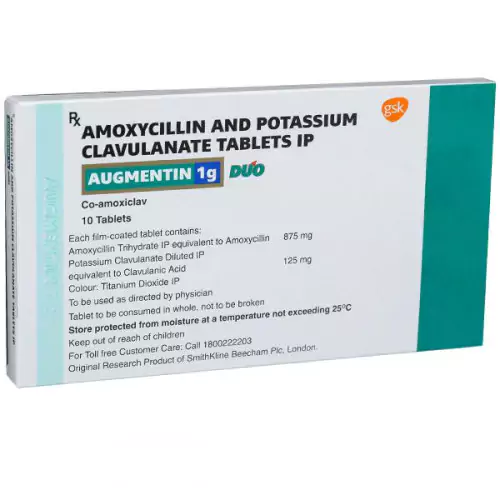
Augmentin 1g: Uses, Dosage, Side Effects, and Precautions
- Published on : December 9, 2025
Augmentin 1g is a widely prescribed antibiotic known for its effectiveness in treating bacterial infections. This medication combines amoxicillin, a penicillin-type antibiotic, with clavulanic acid, which helps prevent certain bacteria from becoming resistant. Augmentin is often recommended for infections that are resistant to standard antibiotics, making it a reliable choice for doctors worldwide.
What is Augmentin 1g?
Augmentin 1g is a combination antibiotic that works by stopping the growth of bacteria and enhancing the effectiveness of amoxicillin. The 1g formulation typically contains 875 mg of amoxicillin and 125 mg of clavulanic acid per tablet, providing a potent solution for more severe bacterial infections.
This antibiotic is available in tablet form, suspension, and injectable forms, but the 1g tablet is commonly used for adults due to its convenient dosing schedule.
Uses of Augmentin 1g
Augmentin 1g is prescribed for a variety of bacterial infections, including:
- Respiratory Tract Infections: Bronchitis, pneumonia, and sinusitis caused by bacteria.
- Ear, Nose, and Throat Infections: Otitis media, tonsillitis, and pharyngitis.
- Urinary Tract Infections (UTIs): Infections of the bladder and kidneys.
- Skin and Soft Tissue Infections: Cellulitis, abscesses, and wound infections.
- Dental Infections: Tooth abscesses or post-surgical infections.
By targeting the bacteria causing these infections, Augmentin 1g helps reduce symptoms like fever, inflammation, and pain, leading to faster recovery.
How to Take Augmentin 1g
Proper dosage is essential for effectiveness. For adults, the usual dose of Augmentin 1g is one tablet every 12 hours, depending on the severity of the infection and the patient’s overall health. It is recommended to take Augmentin with food or milk to minimize stomach upset.
Tips for taking Augmentin 1g:
- Swallow the tablet whole; do not crush or chew.
- Maintain a consistent schedule to keep medicine levels stable in your body.
- Complete the full course, even if symptoms improve, to prevent bacterial resistance.
Side Effects of Augmentin 1g
Like all antibiotics, Augmentin 1g may cause some side effects. Most are mild, but serious reactions are rare.
Common side effects include:
- Nausea or vomiting
- Diarrhea
- Headache
- Skin rash or itching
Serious side effects (seek immediate medical attention):
- Severe allergic reactions: swelling, rash, difficulty breathing
- Liver problems: yellowing of skin or eyes
- Severe diarrhea (possible Clostridium difficile infection)
If you notice any unusual symptoms while taking Augmentin 1g, contact your healthcare provider promptly.
Precautions Before Taking Augmentin 1g
Before starting Augmentin 1g, discuss your medical history with your doctor. Consider these precautions:
- Allergies: Inform your doctor if you are allergic to penicillin or cephalosporins.
- Medical conditions: Liver or kidney disease may require dose adjustments.
- Pregnancy and breastfeeding: Augmentin is generally considered safe, but always consult your doctor.
- Other medications: Some medicines, such as anticoagulants, may interact with Augmentin.
Storage Instructions
Store Augmentin 1g at room temperature, away from heat, moisture, and direct sunlight. Keep it out of reach of children and pets. Do not use expired medication.
Augmentin 1g vs Other Dosages
Augmentin comes in multiple strengths, including 625 mg, 875 mg, and 1g tablets. The 1g dose is typically used for more severe infections or infections caused by bacteria resistant to lower doses. Your doctor will determine the right dosage based on your condition, age, and medical history.
FAQs
1. Can Augmentin 1g be taken on an empty stomach?
It is recommended to take Augmentin with food or milk to reduce stomach upset.
2. How long does it take for Augmentin to work?
Most people see improvement in symptoms within 48–72 hours, but always complete the full course.
3. Can I drink alcohol while taking Augmentin?
Alcohol does not directly interact with Augmentin, but it is best to avoid alcohol to help your body recover faster.
4. Is Augmentin 1g safe for children?
Dosage for children is different and depends on weight. Always follow pediatric dosing instructions.
5. What should I do if I miss a dose?
Take the missed dose as soon as you remember. If it is almost time for your next dose, skip the missed dose. Do not double the dose.
Conclusion
Augmentin 1g is a powerful and reliable antibiotic for treating a wide range of bacterial infections. By combining amoxicillin with clavulanic acid, it effectively combats bacteria that may resist standard antibiotics. Always take Augmentin as prescribed, follow the recommended precautions, and complete the full course to ensure the best results.
By understanding the uses, dosage, side effects, and precautions, patients can use Augmentin 1g safely and effectively. If you experience any severe reactions or have questions about your treatment, consult your healthcare provider immediately.
Table of Contents
Product categories
- AMOXICILLIN
- AZITHROMYCIN
- Cancer
- Cephalexin
- Ciprofloxacin
- CLENBUTEROL
- Colchicine
- Doxycycline
- Erectile Dysfunction
- FENBENDAZOLE & MEBENDAZONE
- Fluconazole
- Fluvoxamine
- Gabapentin
- General
- Generic Paxlovid
- Hdroxychloroquine
- Hormonal
- Infection
- Inhaler & Respules
- Ivermectin
- Low And High Dose Naltrexone
- Metronidazole
- OLANZAPINE & MIRTAZAPINE
- Other
- Pirfenidone
- PREDNISONE
- Psychiatric Medicine
- Skin Care
- Testosterone
- Thyroid
- Viral Care
- VITAMIN B12 & VITAMIN D3
- Weight Loss & Diabetic